
Research
The questions we're chasing
We work across three themes. Each reaches into both hardware and software, and none of them require prior background to start. Begin with the questions.
Can we run AI on a battery?
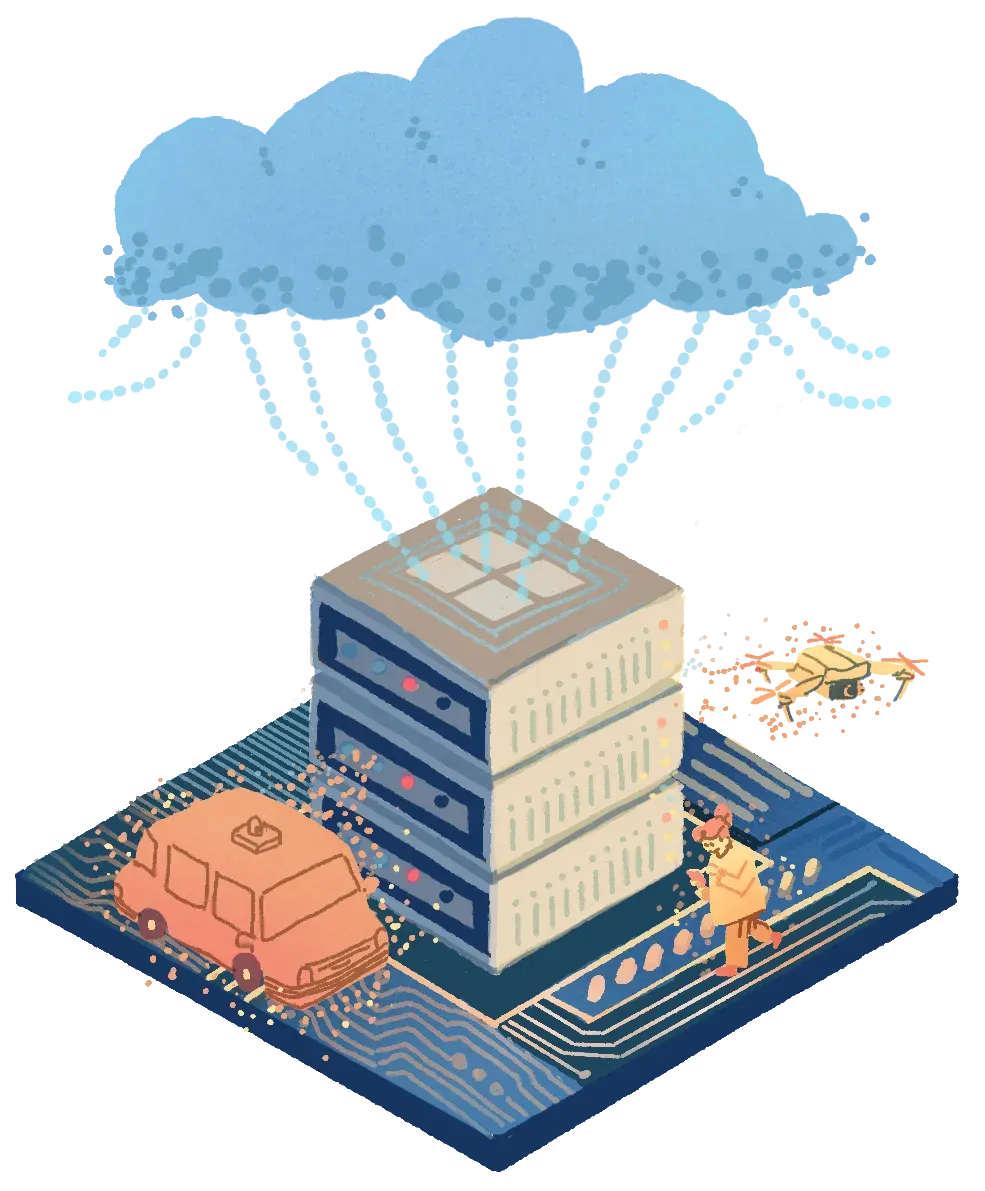
Today's AI runs in vast data centers, consuming enormous power. Putting it into a phone, a car, or a robot leaves nowhere near enough energy budget — and with semiconductor scaling slowing, making digital circuits faster and leaner is hitting a wall.
So we change how computing works. Compute inside memory instead of shuttling data around. Compute with analog voltages instead of ones and zeros. Accept answers that are approximately right. These non-textbook approaches target 10-100x less power.
And we don't stop at paper. Circuits you design get fabricated at a real semiconductor foundry, and months later your own chip arrives in your hands.
What you'd actually be doing
- 1
Train AI models in PyTorch and reshape them to fit real circuits
- 2
Design circuits, draw the layout, and send it off to a fab
- 3
Measure your own chip when it returns, and find out if it works
- 4
Write up the results and present at top venues like ISSCC
What we're working on
In-memory computing that removes the data-transfer bottleneck by computing where the data lives
Analog and stochastic circuits that make AI efficient on principles digital logic can't reach
Circuits that bring large language models onto power-constrained devices
Training methods for circuit-friendly AI models, plus open-source simulators
What came out of it
See all 10 ai chips & circuits →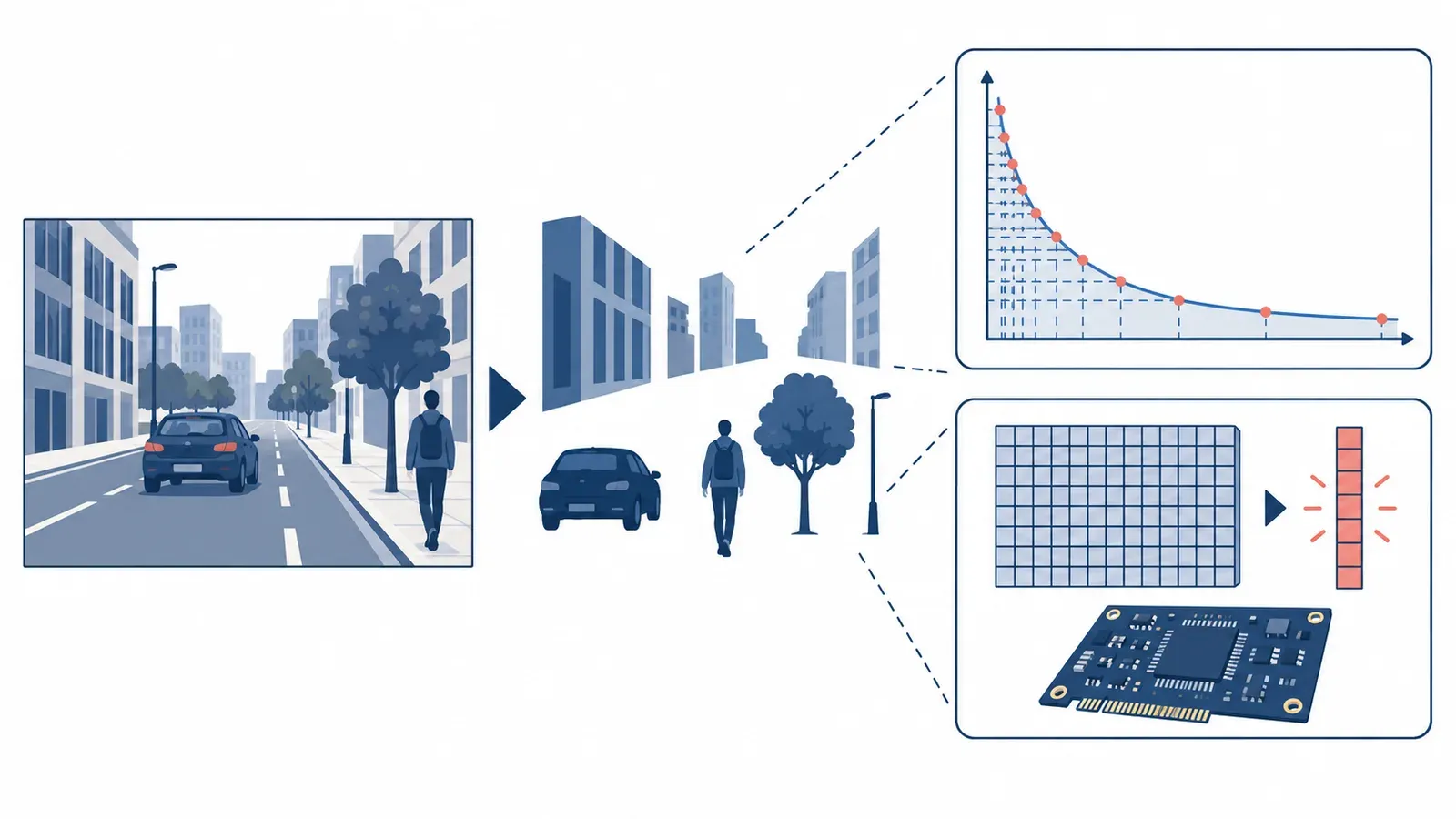
AHCPTQ
Enables the first functional 4-bit post-training quantization of the Segment Anything Model (SAM) via two hardware co-designed innovations: Hybrid Log-Uniform Quantization (HLUQ) for heavy-tailed post-GELU activations, and Channel-Aware Grouping (CAG) cutting on-chip register overhead by 99.7%. FPGA deployment achieves 7.89× speedup and 8.64× energy efficiency over float at W4A4 with 36.6% mAP.
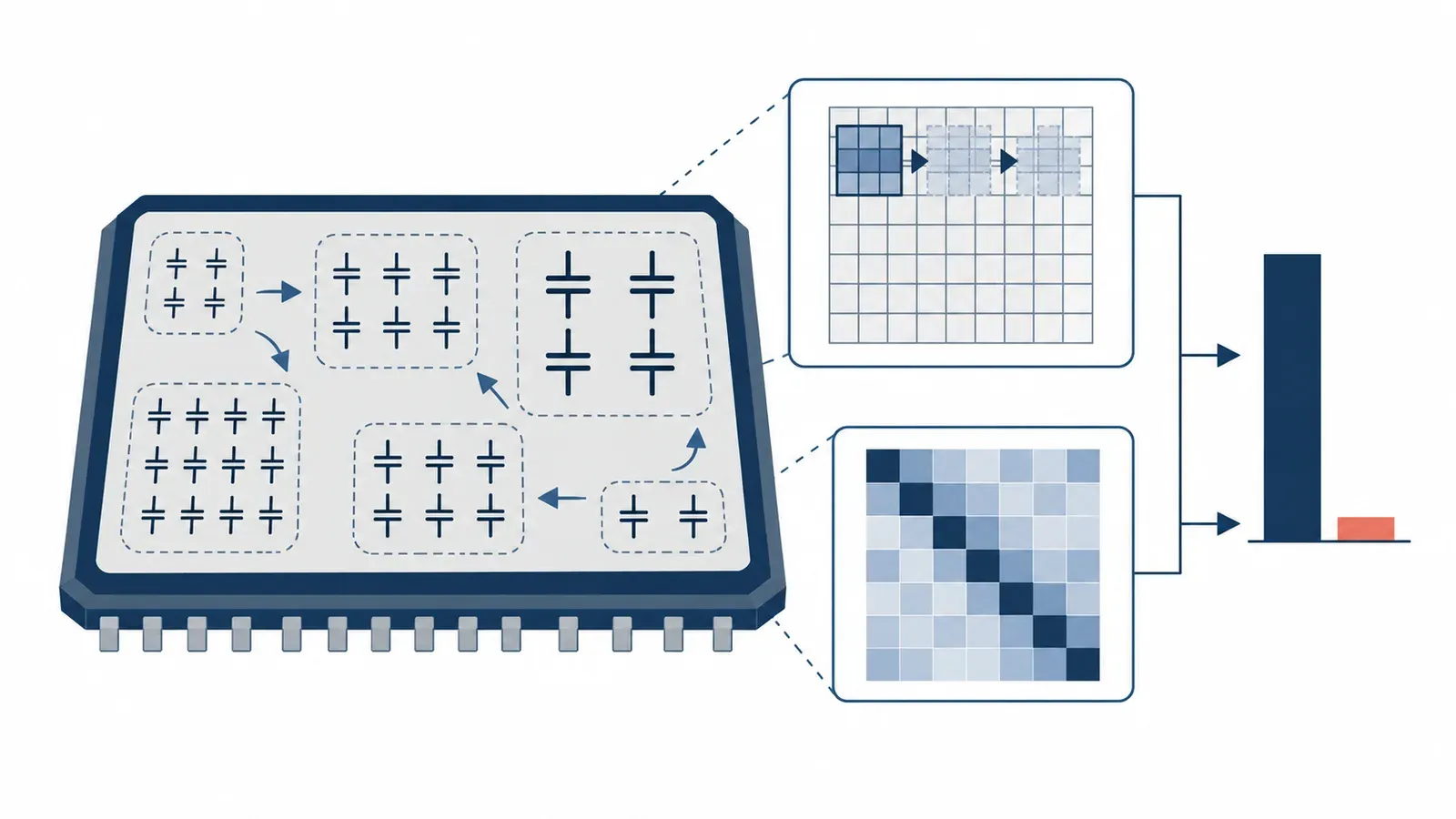
CR-CIM
A capacitor-reconfigured compute-in-memory macro achieving 818–4094 TOPS/W for unified acceleration of both CNNs and Transformers. Dynamic capacitor reconfiguration adapts analog compute precision to each layer's bit-width requirements, enabling the first analog CIM to handle Transformer inference while delivering 10× energy efficiency over prior work in CNN mode at 4094 TOPS/W.
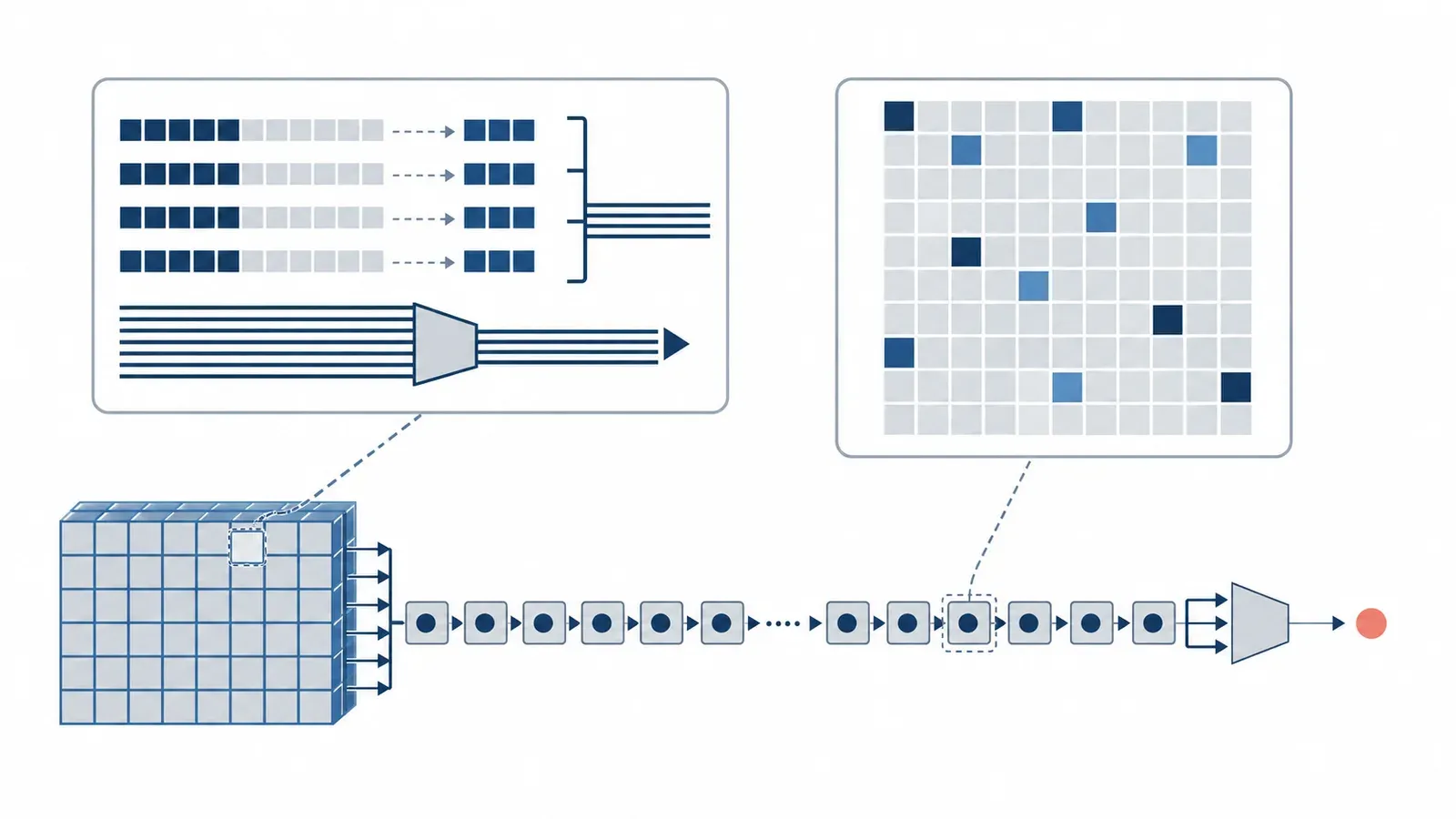
PACiM
A sparsity-centric hybrid compute-in-memory architecture using probabilistic approximation (PAC) to convert vector operations into scalar computations, halving memory transfers by eliminating LSB transmission. Achieves 14.63 TOPS/W in 65 nm CMOS with 4× lower approximation error than prior methods, maintaining ResNet-18 ImageNet accuracy.
Can you show a moving self-driving car something that isn't there?

Self-driving cars see the world through LiDAR: it fires laser pulses and measures how long they take to bounce back. So what happens if someone fires lasers back at it?
It turns out you can make a car brake hard for an obstacle that doesn't exist — or make a person standing right in front of it disappear. We build these rigs ourselves and drive real vehicles on test tracks, and we were the first to establish how fast and how far away such attacks actually work.
That may sound alarming, but the aim is the opposite. You cannot design defenses without knowing precisely how dangerous something is. We put as much effort into detection and mitigation as into the attacks themselves.
What you'd actually be doing
- 1
Build attack rigs by hand from lasers and optics
- 2
Drive real autonomous vehicles on test tracks and measure when attacks succeed
- 3
Analyze 3D point clouds with AI to devise detection methods
- 4
Present at top security venues like NDSS — and sometimes end up in the press
What we're working on
Quantifying how far attacks carry against real vehicles at real speeds
Attacks on SLAM that make a vehicle mistake where it is
Demonstrating that even the newest LiDARs with built-in defenses can be bypassed
Detection and mitigation, plus LiDAR designs that resist attack by construction
What came out of it
See all 8 autonomous driving security →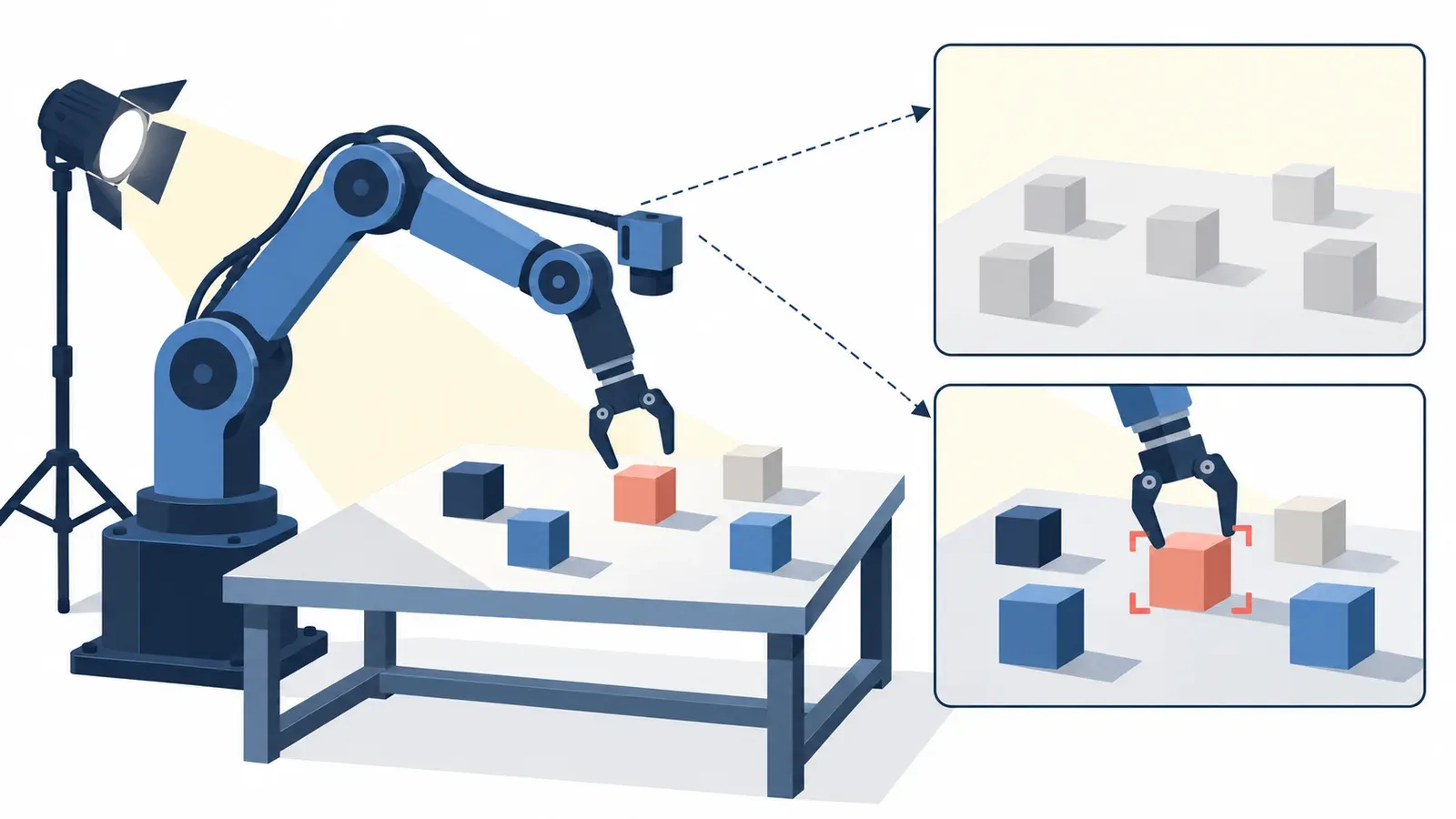
FLARE & ChromaGuard
Vision-Language-Action models have become a powerful paradigm for general-purpose robot manipulation, but moving them into the real world exposes a vulnerability to minor environmental perturbations. FLARE is an optimized physical spotlight attack that exploits this through targeted illumination, dropping baseline task success rates to zero without any access to model internals. Adversarial training is the standard countermeasure — but it hides a pitfall. Naive data augmentation conditions VLA models to treat color as noise, collapsing their perception into a purely shape-biased processor. A diagnostic grayscale evaluation exposes the damage: the defended model keeps high success rates on grayscale inputs while its success on benign, color-dependent tasks falls to at most 47.5%, below the undefended baseline. ChromaGuard is a chroma-preserving adversarial training method that closes the gap. On a physical 6-DoF robotic platform it reaches 97.5% success on benign color-dependent tasks and 92.5% under attack.
Ghost-FWL
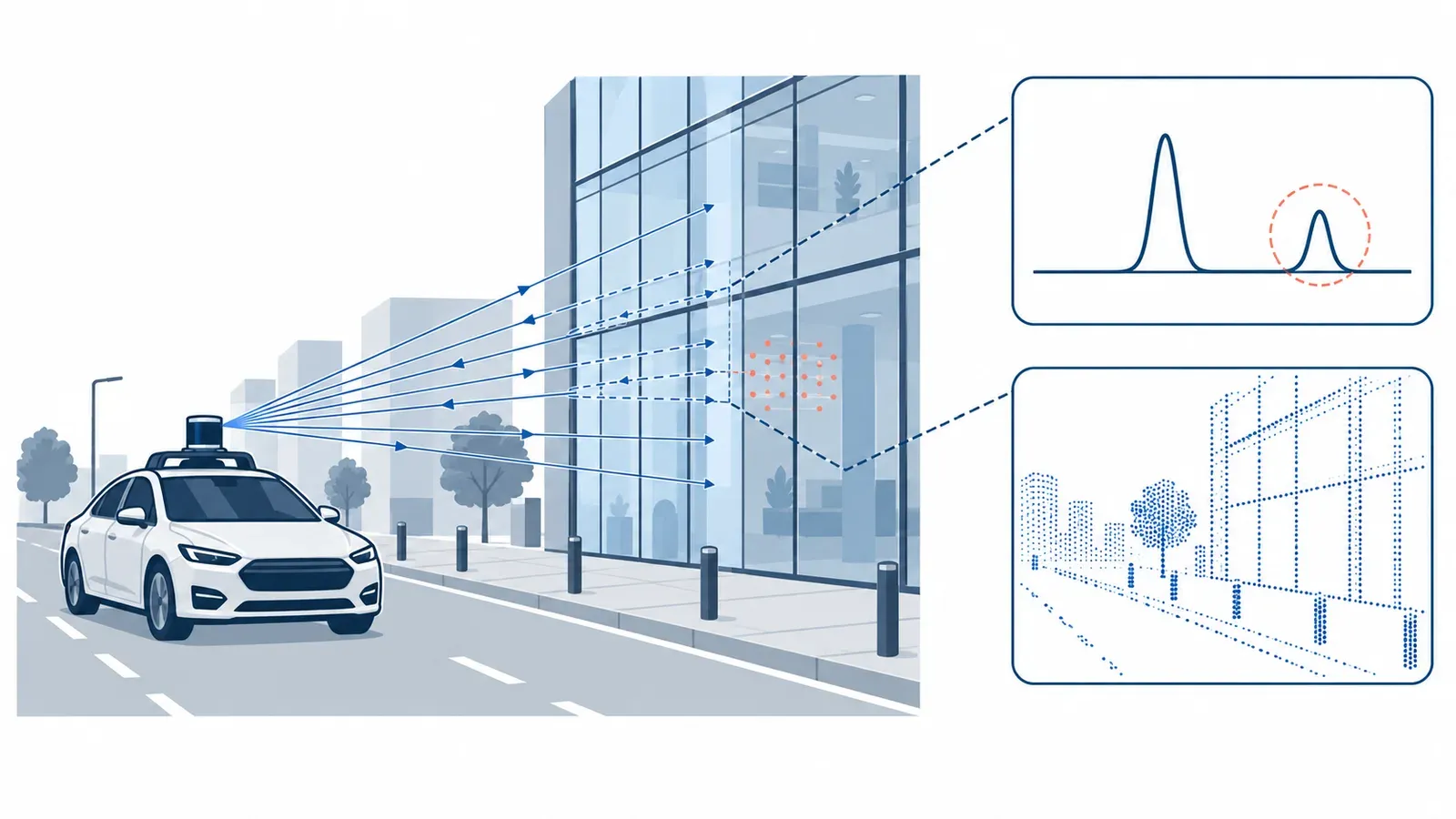
The first large-scale annotated mobile full-waveform LiDAR dataset for ghost artifact detection and removal, with 24,412 frames and 7.5 billion peak-level annotations — 100× more than prior work. Ghost points arise from multi-path reflections off glass and reflective surfaces, degrading 3D mapping and object detection in autonomous driving. Includes FWL-MAE pretraining and transformer-based detection baselines across Ghost, Object, Glass, and Noise categories.
LiDAR Spoofing (High Speed)
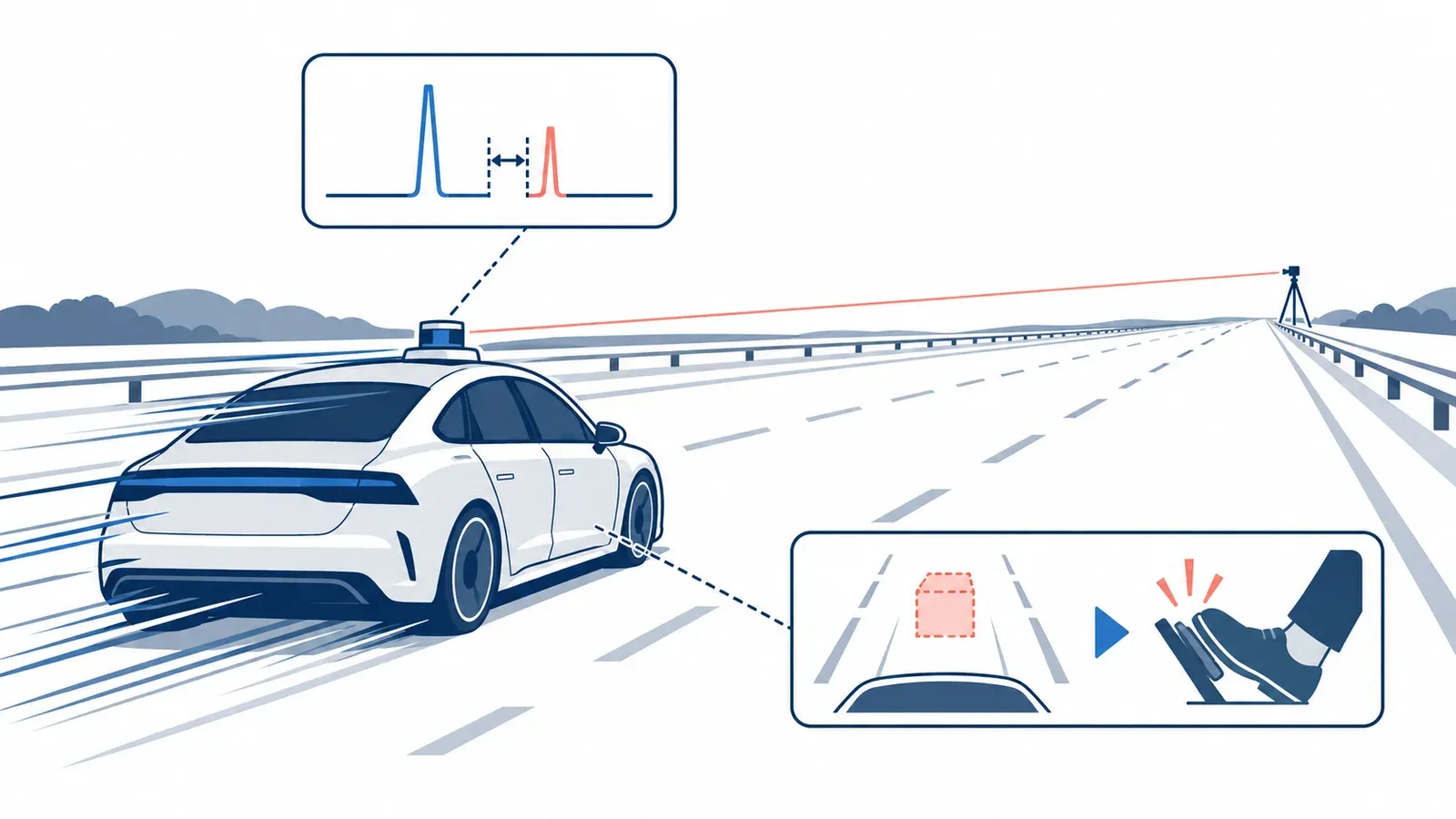
Examines the practical feasibility of LiDAR spoofing attacks on autonomous driving vehicles at realistic high speeds and long distances. Reveals that spoofing remains effective under conditions previously assumed to be safe, challenging existing security assumptions.
If you could see the world in 3D, what would you build?

Self-driving cars made LiDAR cheap, fast — which means it can be used far beyond cars. A camera captures a flat image; LiDAR captures space itself as a cloud of 3D points.
We've taken it into hospitals and onto basketball courts. In rehabilitation, the range of motion a doctor once measured with a protractor is now captured automatically by sensor and AI. In basketball, we built a system that follows ten players through the collisions of a real game — where camera-only tracking loses people the moment they overlap.
We also built a marker identifiable from 300 meters away, so construction machinery can localize itself on site. The appeal of this theme is carrying a technology all the way to where it actually helps someone.
What you'd actually be doing
- 1
Take sensors into hospitals and gymnasiums and capture real-world data
- 2
Analyze the resulting 3D point clouds with AI to track people and motion
- 3
Work directly with doctors, pro teams, and companies to make it genuinely usable
- 4
Release your datasets for researchers worldwide to build on
What we're working on
A system and dataset for tracking ten players in 3D during professional basketball games
Automatic measurement of joint range of motion for rehabilitation, via 3D sensing and AI
A fiducial marker identifiable from 300 m, letting machinery localize where GPS fails
Repurposing LiDAR as a receiver, delivering traffic-signal and blind-spot information to vehicles
What came out of it
See all 3 lidar applications →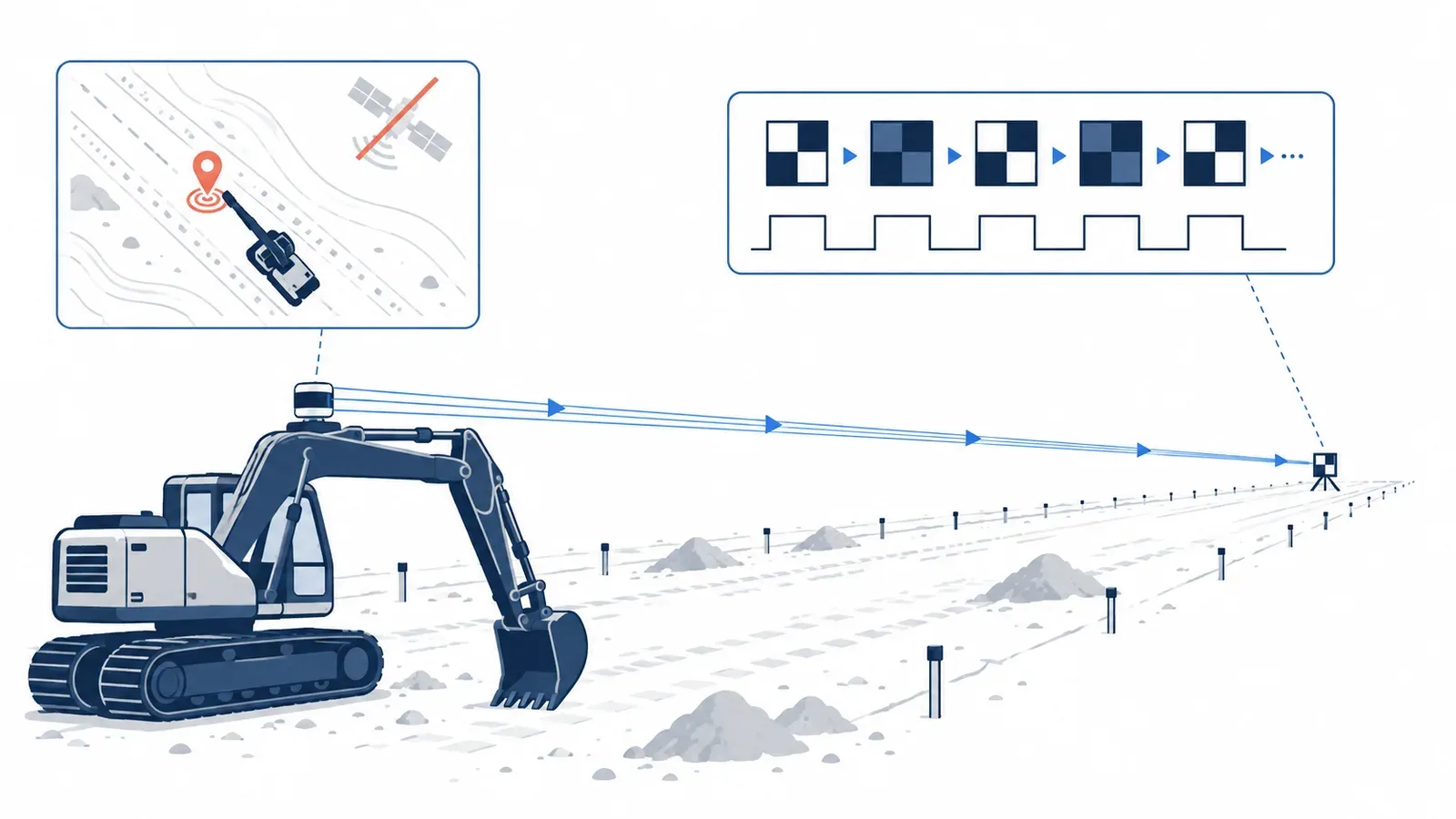
LiDAR Beacon
A LiDAR fiducial marker achieving 309m recognition distance — approximately 19× longer than prior work — by encoding IDs into temporal reflection patterns using a single laser return on a PDLC film. Integrated into an autonomous localization system enabling GPS-free, sub-meter accurate positioning of construction machinery in GPS-denied environments such as tunnels and open terrain.
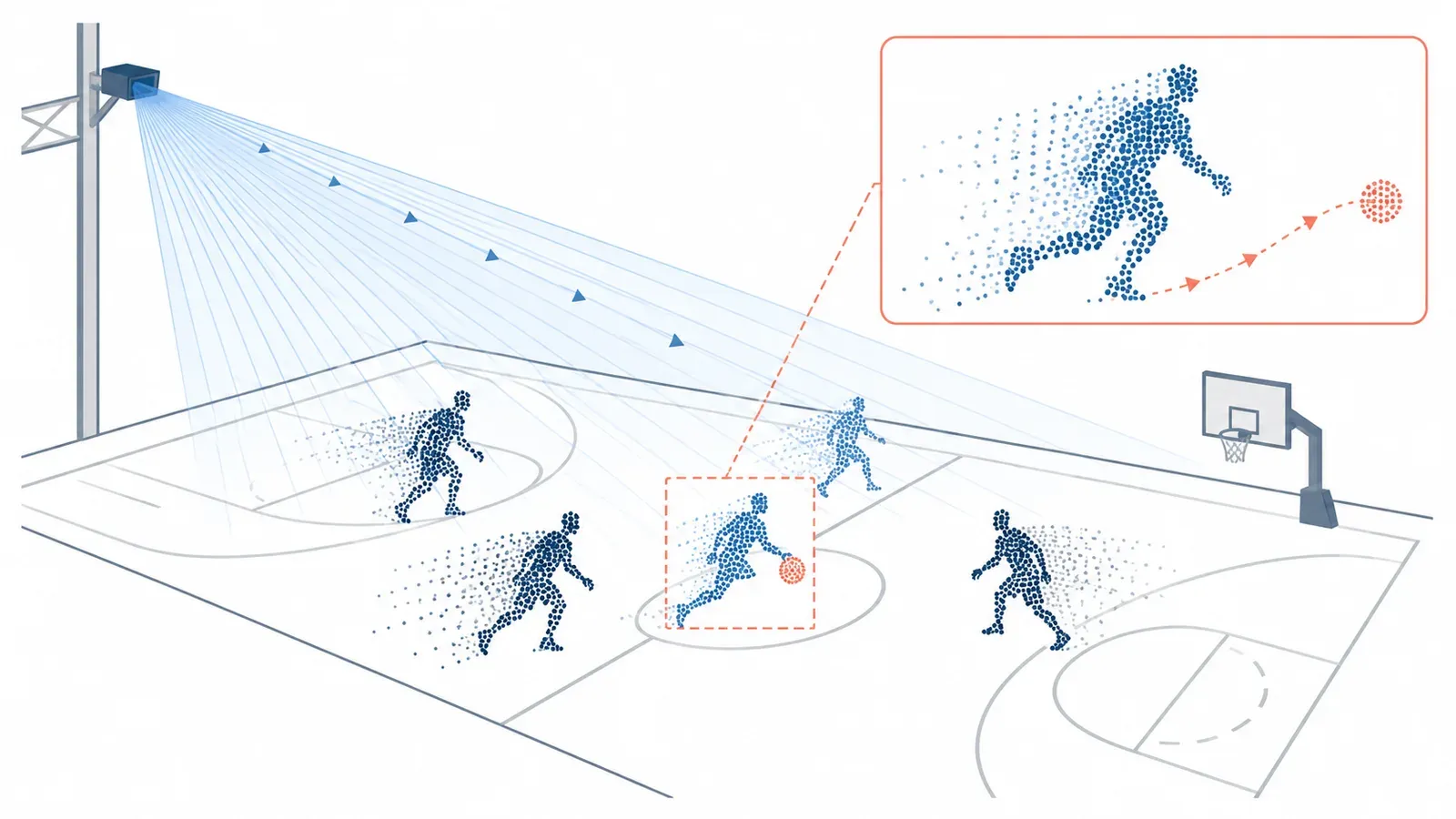
Basket LiDAR
3D basketball player tracking using LiDAR sensing for sports analytics. Enables precise real-time localization of players and ball during games, providing rich spatial data for performance analysis and coaching insights.
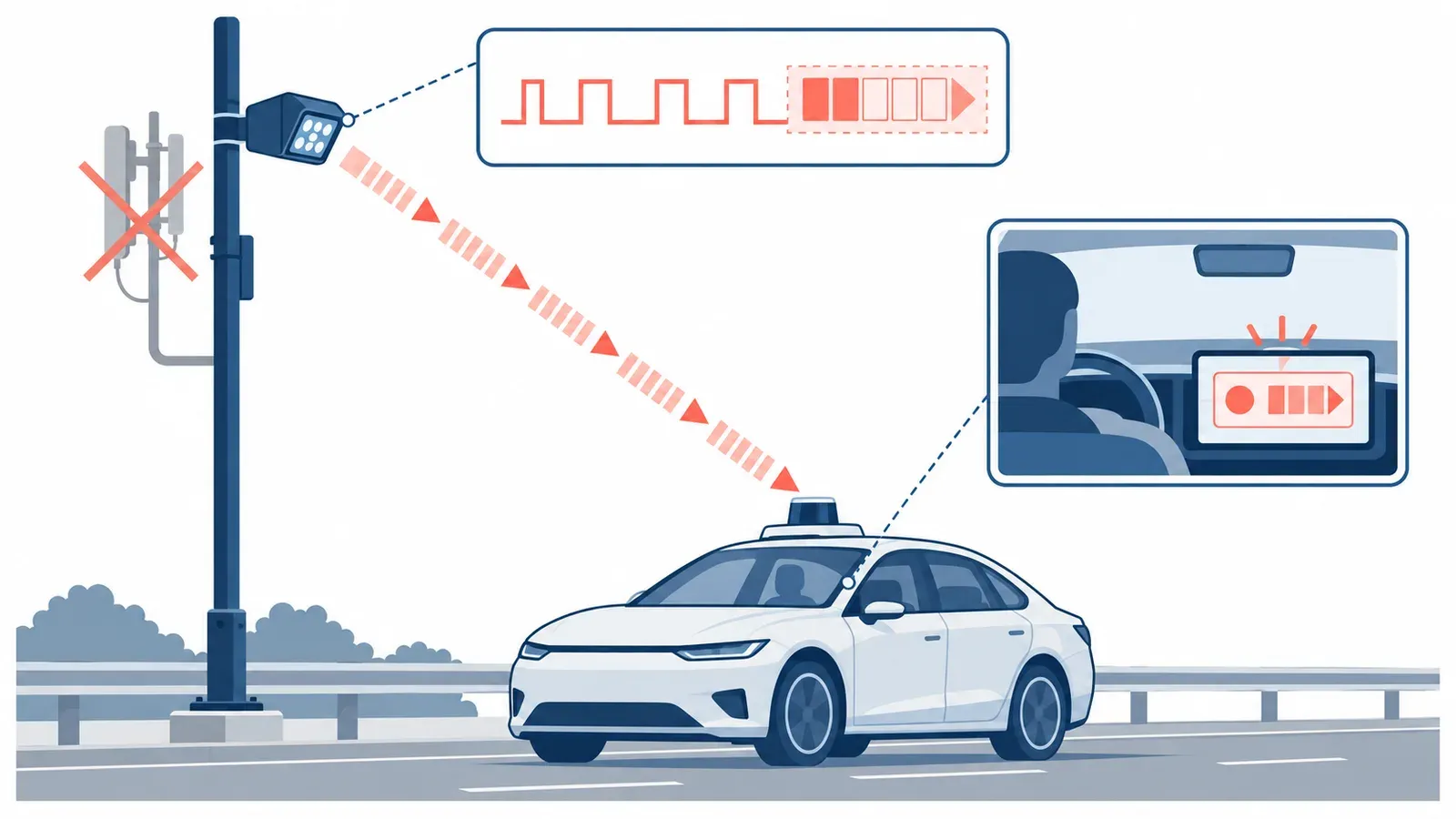
Optical LiDAR Comm
Enables infrastructure-to-vehicle messaging by repurposing existing LiDAR sensors for optical communication, eliminating the need for dedicated communication hardware. Demonstrates practical V2I data transfer using commodity automotive LiDAR units.
Facilities
So research doesn't end at simulation, we keep an environment where you actually build and measure. Circuits you design get fabricated; attacks you devise get tested on real vehicles.
- Chip tape-out (65nm / 28nm / 12nm FinFET)
- Test autonomous vehicle
- LiDAR attack and evaluation rigs
- A wide range of commercial LiDAR sensors
- High-speed measurement setup for ADC/CIM
- GPU servers
Work with us
We take on contract and collaborative research with industry. Feel free to reach out about our work or to discuss a topic.