Recruit
Come join the lab
For undergraduates considering lab assignment and prospective graduate students: come visit us. An email as short as "I'm interested — could I visit?" is enough.
Last updated 2026/9/28
Why CSG
What you get at CSG
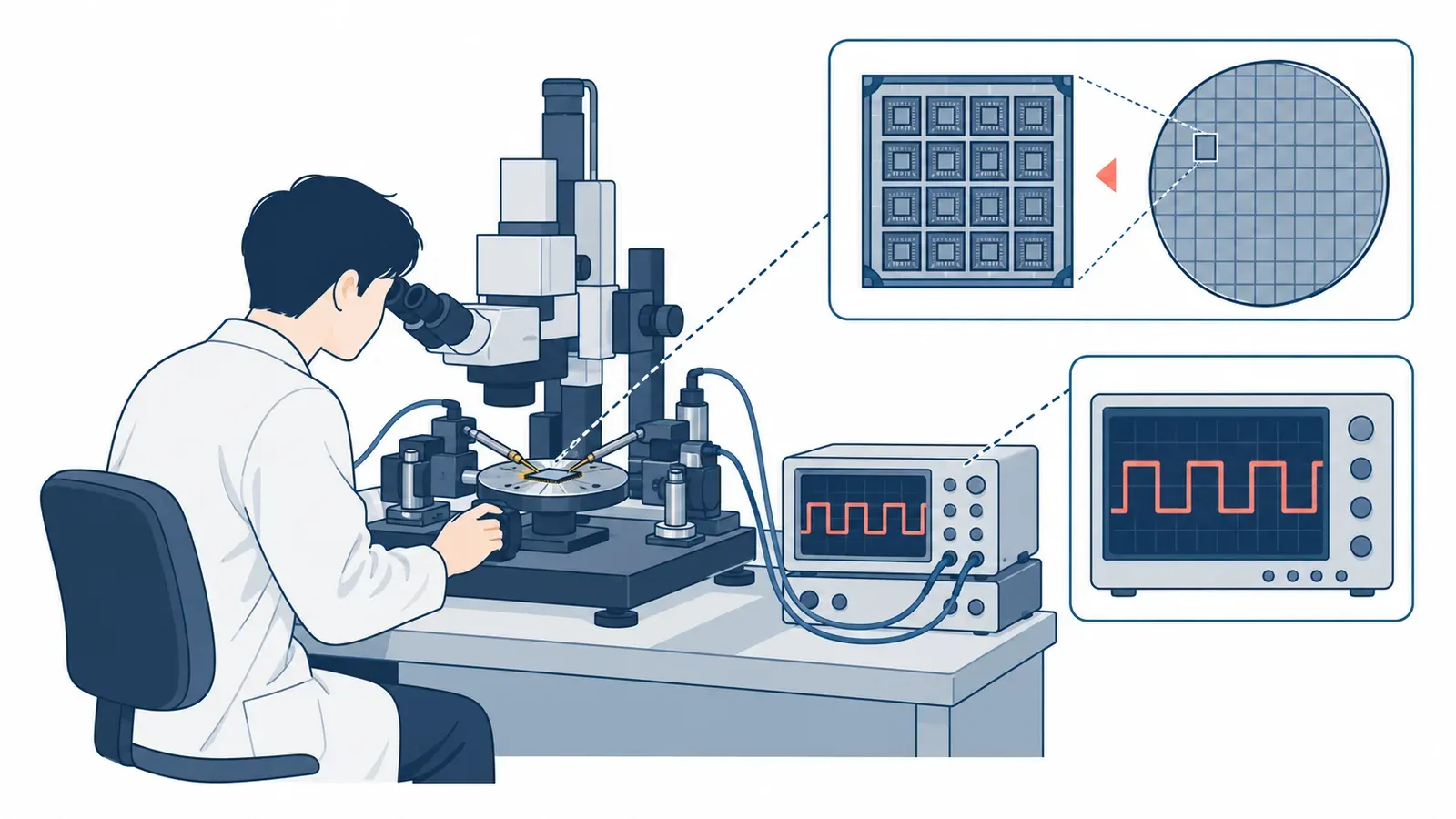
You tape out real silicon
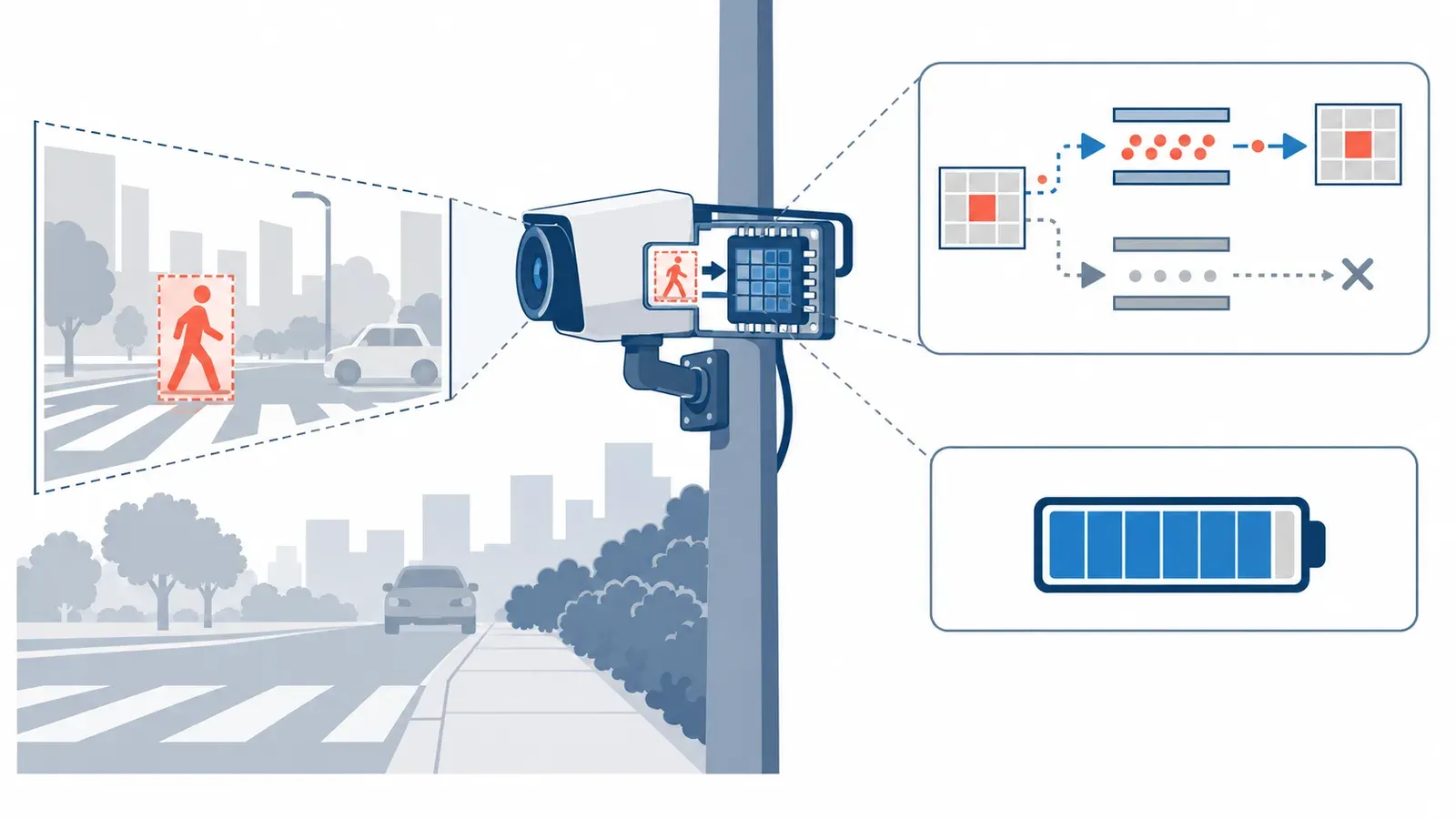
Research doesn't stop at simulation. Circuits designed by students are fabricated in real semiconductor processes, measured, and published. We have tape-outs in 65nm, 28nm, and 12nm FinFET, supported by TSMC.
5 ISSCC · 9 JSSC papers
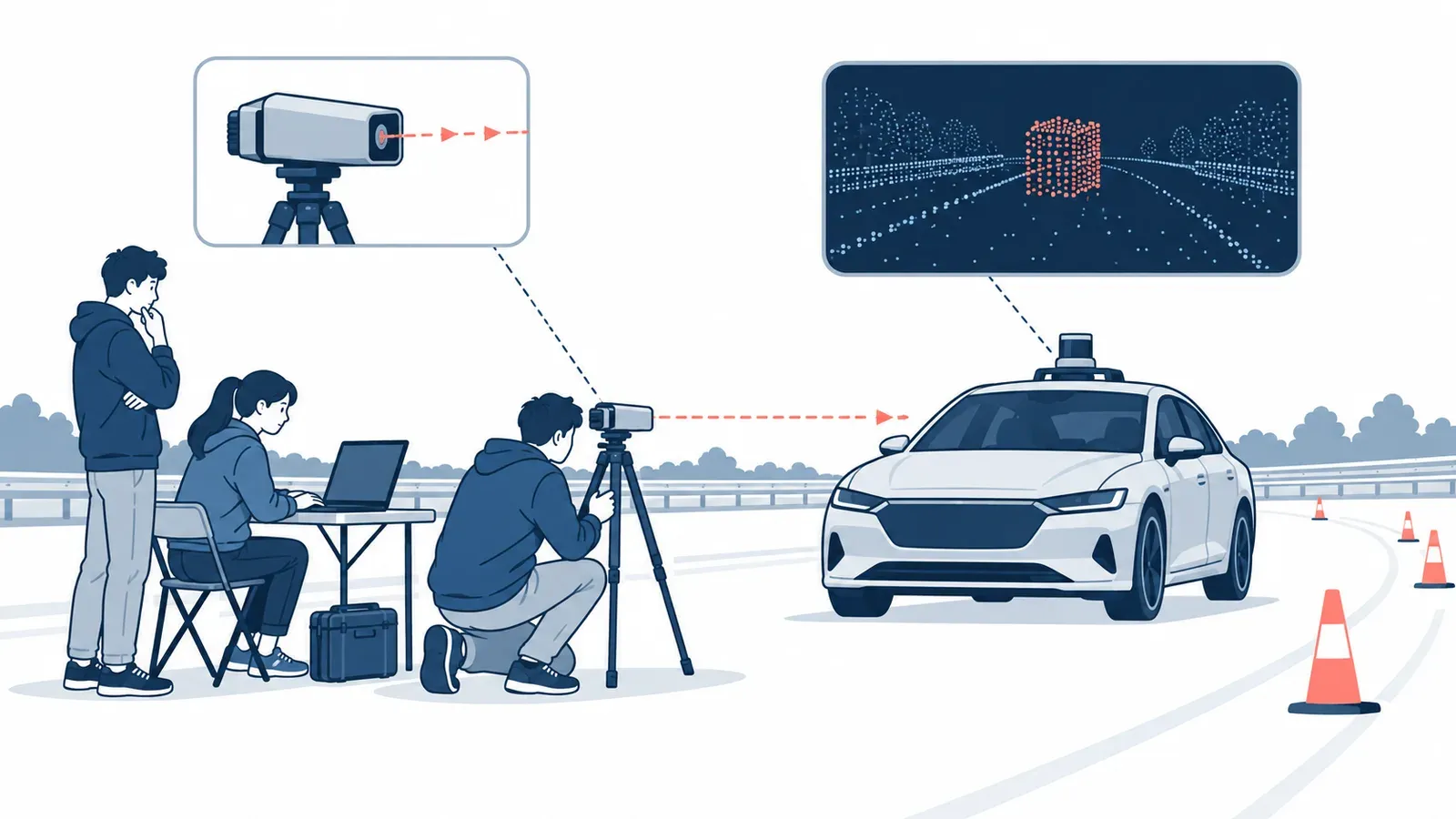
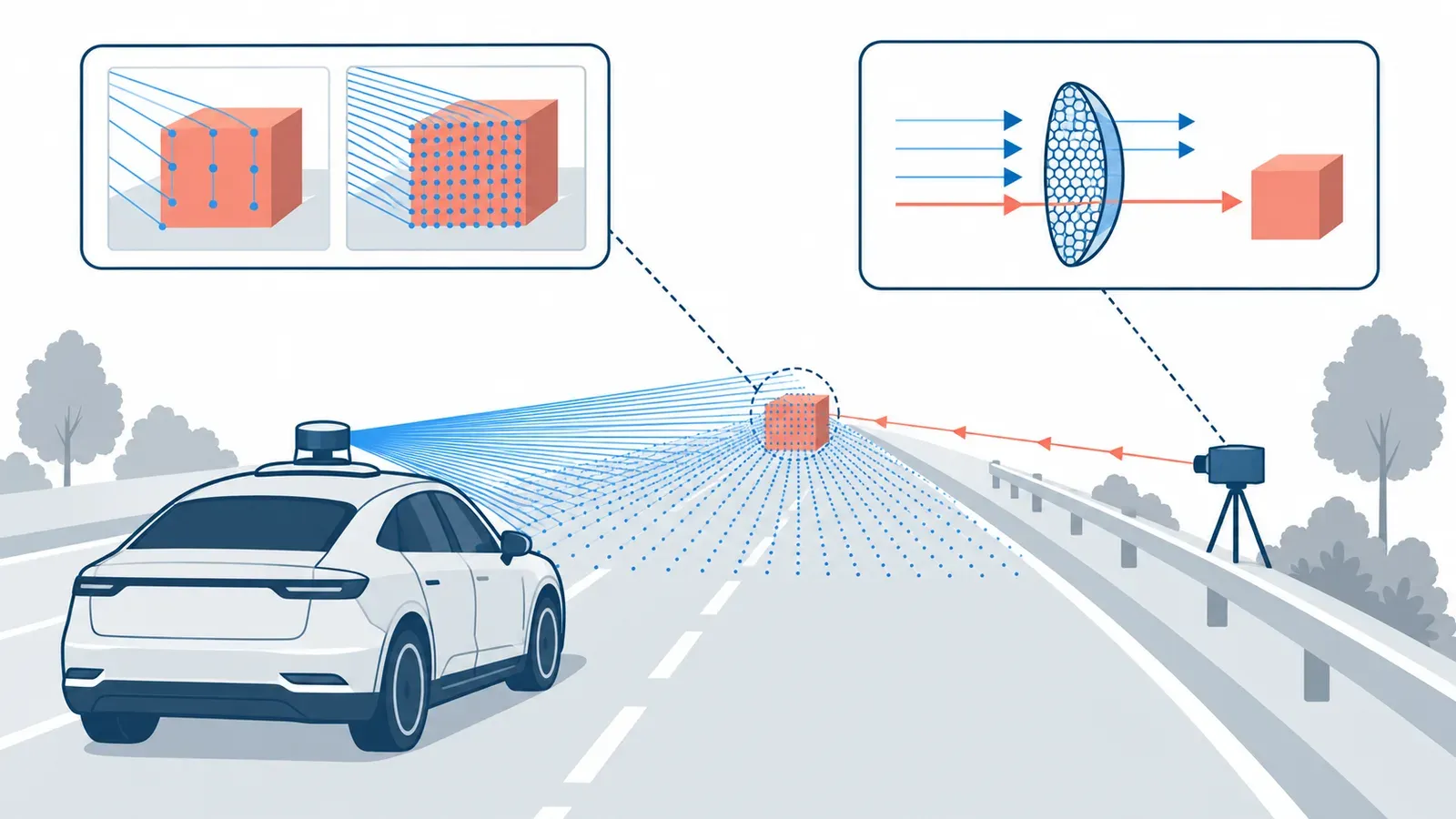
You attack and defend real vehicles
We build our own LiDAR attack rigs and validate them against actual driving autonomous vehicles — and sometimes design the LiDAR sensors themselves. Only a handful of labs worldwide work at this level.
NDSS two years running
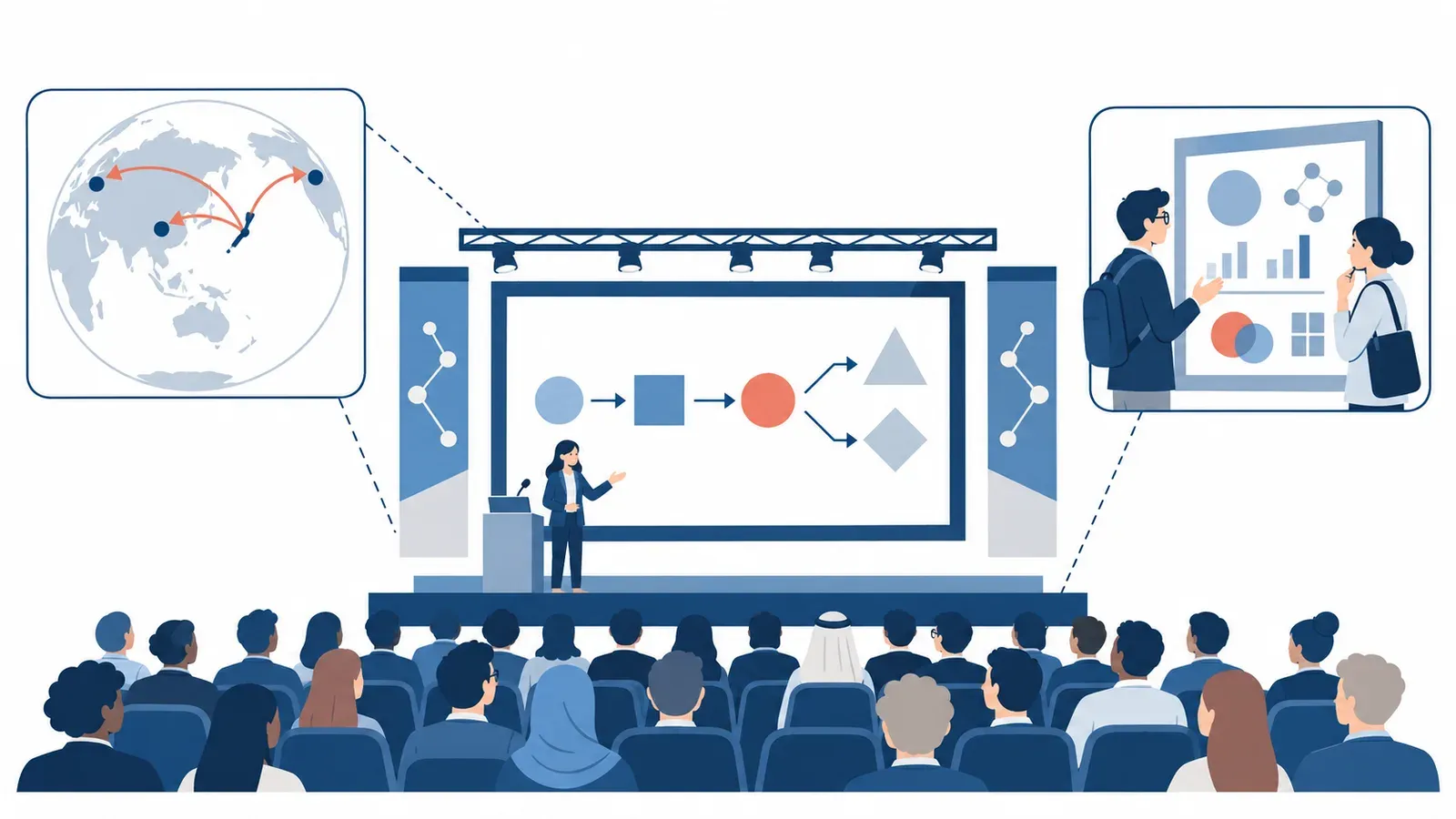
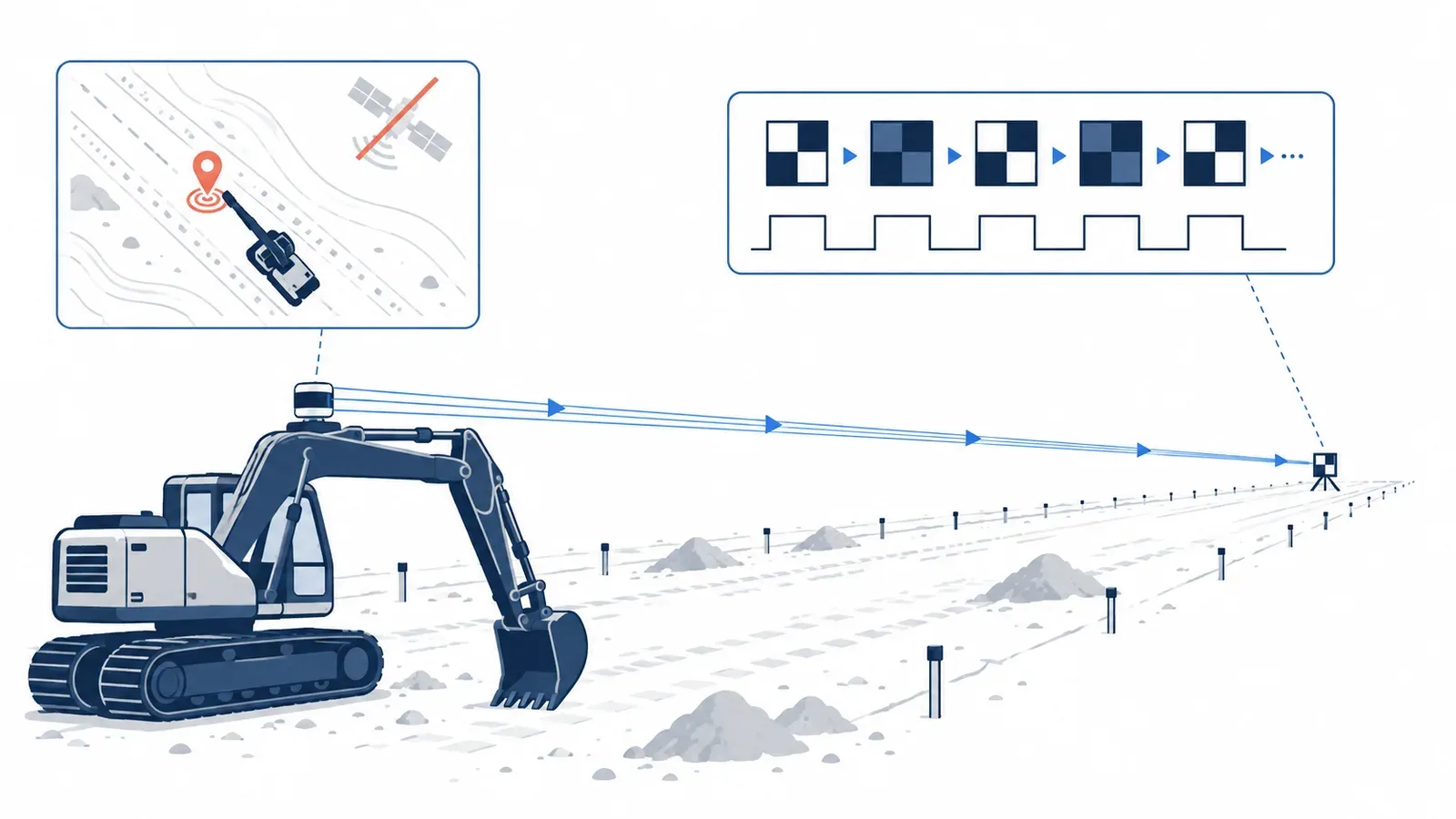
You engage the world directly
Every member aims to present at international venues. We run joint projects with UC Irvine, University of Florida, Nanjing University, Southeast University, Sony, and Aisin — and host visiting students from abroad.
NeurIPS · CVPR · ICCV · NDSS · IROS · ICRA
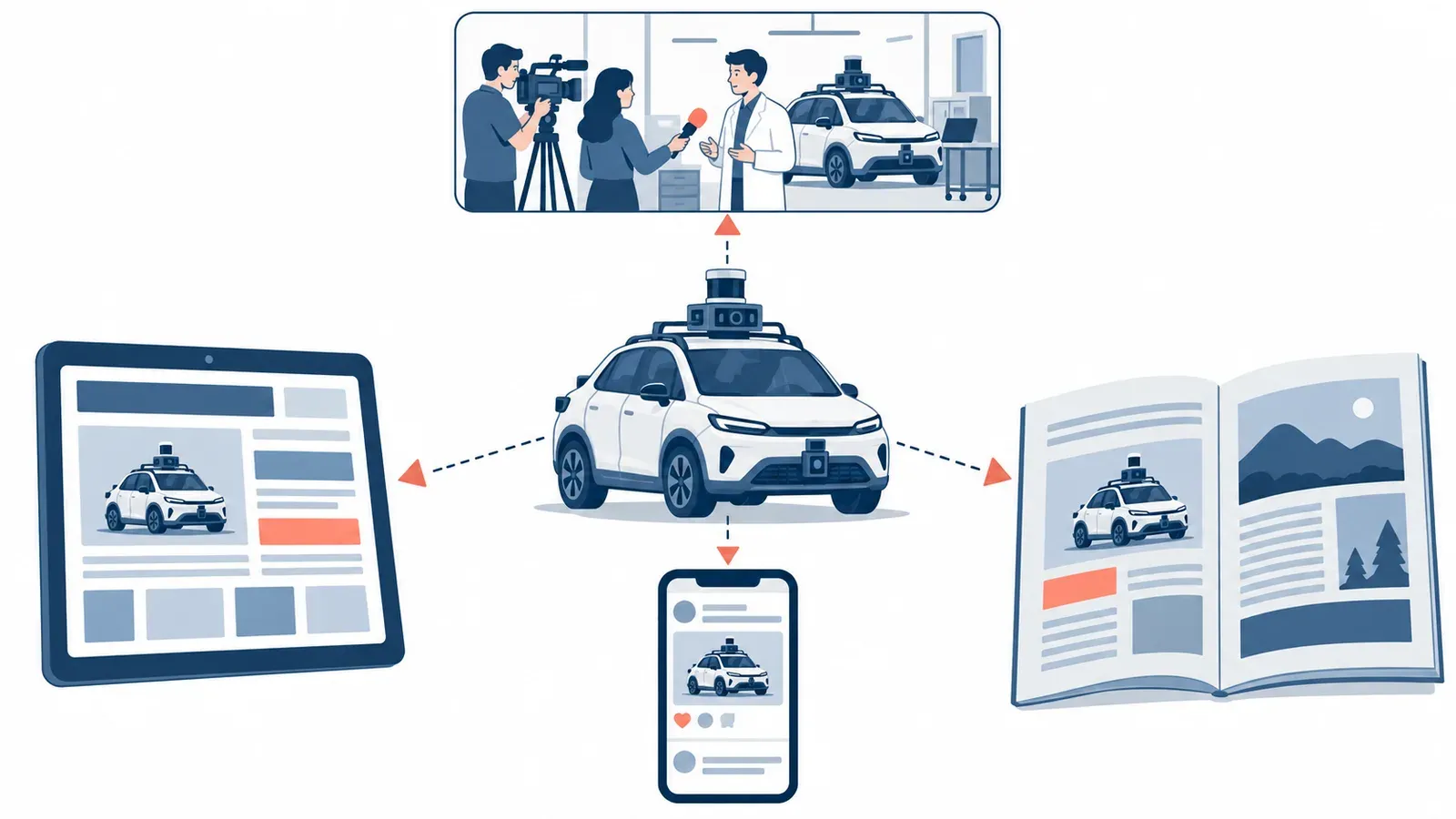
Your work reaches the public
Our research has been covered by GIZMODO, Nikkei xTECH, IEEE Spectrum, and Tech Xplore, in Japan and abroad. We actively issue press releases.
15+ media features
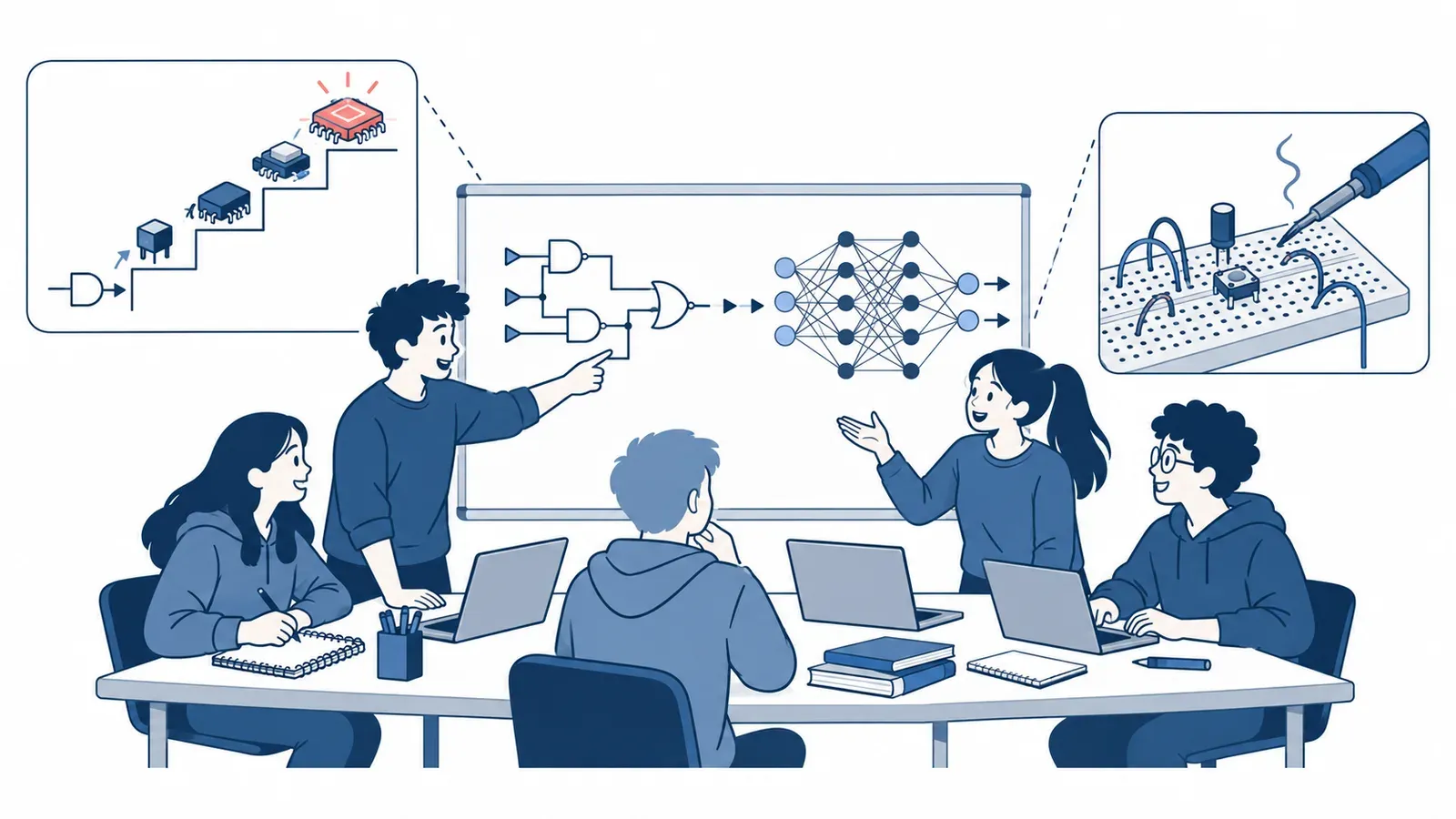
You can start from zero
Prior programming or AI experience isn't required. Onboarding training and study sessions build the fundamentals and depth that last a career. What matters is the will to tackle both hardware and software.
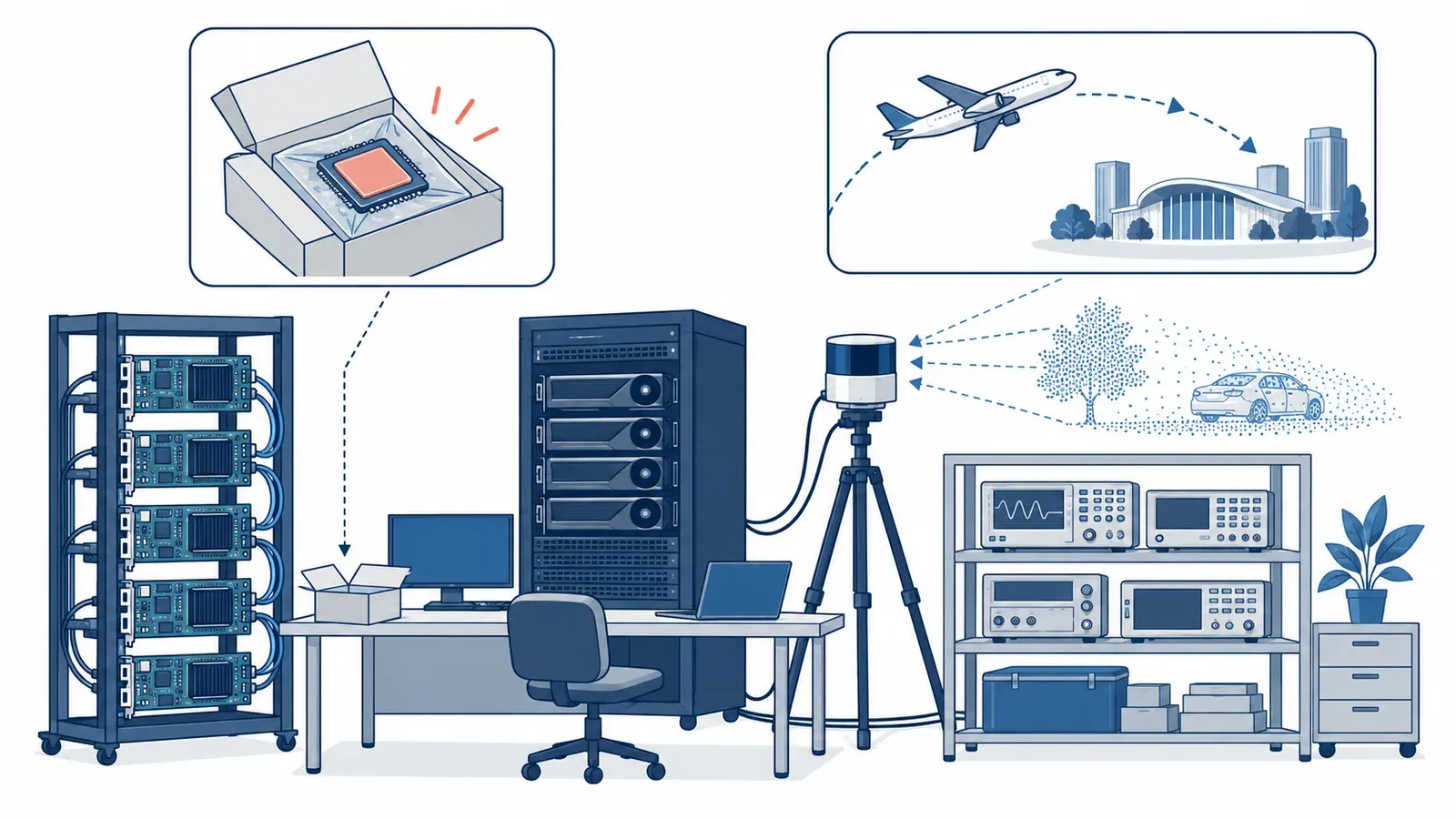
You won't lack resources
We hold multiple large grants — two JST CREST projects, JST PRESTO, JST ASPIRE, the Next-Gen Edge AI program, and KAKENHI (B). Fabrication and conference travel are covered so you can focus on research.
Info sessions
Lab info sessions (2026)
16:00–
15:30–
16:00–
16:00–
No reservation needed. About 30 minutes of lab introduction plus 30 minutes chatting with current members. Meet at room 23-214. If none of these times work, email us and we'll arrange a visit.
Slides
Lab introduction slides
The deck we present at the info sessions — a good place to start if you can't make one.
Open on Speaker DeckVoices
Student voices
Why did you choose this lab?
- Being a newly founded lab, it felt full of energy.
- As a relatively new lab, it felt free to try things without being bound by old themes or traditions.
- I was interested in autonomous driving and sensing, and it looked like I could do both hardware and software here.
- It covered both hardware and software, the lab was big, and the students were motivated.
- It was the only lab where I could work with both hardware and software.
- The research looked interesting, I could learn both hardware and software, we meet in person more than other labs so people get close, and I liked the professor and the atmosphere.
What stands out or is fun about lab life?
- The moment a good idea sparks mid-discussion, and getting to interact with researchers abroad.
- Every member aims for international conferences and journals.
- Presenting at international conferences, and meeting top researchers beyond Prof. Yoshioka.
- Presenting at overseas conferences and discussing with peers. Talking with talented seniors is fascinating and makes me want to become like them.
- We went to VLSI meeting and had beer at night, people talked about interesting stuff.
- Talking through research — and darts.
- Going to Kyoto to hear conference talks, and lab dinners.
How will this lab experience help your future?
- Problem-solving ability — the power to figure things out.
- I've learned to think and act on my own.
- Presentation skills, how to face challenges, intellectual toughness.
- Management skills. Moving your own project forward means bringing other people in and taking the lead on scheduling, so you build that ability here.
- The research group is experienced and good at writing good papers
- Presentations and slide-making, and everyday conversation in English.
- Designing experiments, analysing the results and drawing conclusions is useful in any job. We work together a lot, so you also build communication skills that carry over to work.
What does a day in the lab look like?
- I get to the lab around 10 a.m. and run experiments or write papers. I head home around 8 p.m.
- It depends on the day: either the morning or the afternoon goes to my own project. The rest I spend helping other members with their research, or reading papers and thinking up new topics.
- Come in, chat with labmates, do research. When I get bored, chat some more. If I feel like it, darts with labmates on the way home.
- 13:00–14:30 meeting, 14:30–15:00 late lunch, 15:00–17:00 experiments and data collection.
FAQ
QAre there core hours?+
No, but we expect you to manage your own time and move your research forward. There's a weekly progress meeting for the whole lab where you can talk things through, and you can ask everyone on Slack at any time.
QWho is a good fit for the lab?+
Anyone curious about what we research — especially someone curious about both hardware and software.
Hardware is the foundation of both sensing and computing, and knowing hardware will serve you well after you graduate, too.
QDo I need specialist knowledge?+
No. Circuits, machine learning and programming are all covered in training after you join.
Q"Compete with the world" — but what does that actually mean day to day?+
What I think matters most is failure, fundamentals, and environment.
Failing
Fail at work and you get scolded, and it's disappointing. So is failure a bad thing? I don't think so. Building things at university, you learn an astonishing amount from failure and experience. Fail a lot in the lab, and learn from it! Think of all the failing, studying and experience in your research life as training for, and an investment in, your future self. Seen that way, you can take the initiative in research and study.
Students with the courage to take risks and fail are very welcome.
Fundamentals
Fundamentals matter in sports, in research and at work alike. Without a basic understanding, you only ever trace the surface of things.
That doesn't mean you're not cut out for the lab if your fundamentals aren't there yet. At CSG, onboarding training and study sessions build the fundamentals and expertise that will be your backbone for life.
Environment
Abroad, a supervisor is called an advisor rather than a teacher. An advisor's job is to set up an environment where students can do research happily and on their own initiative, guiding them rather than lecturing at them. It's close to hangaku-hankyo, "half learning, half teaching", one of Keio's founding ideals.
That all sounds grand, but I'm still learning too. Let's build a lab and a culture where we grow together.
QI'd be joining as the 6th cohort — how is that different from an established lab?+
You'd be our 6th cohort. As a young lab, there's still a lot to build yourself — but you also get close mentoring and a startup-like environment. If that excites you, we'd love to meet you.
Tracks
Research tracks
Students join CSG under one of two tracks: Circuit or Sensor. Both tracks span layers from AI/software down to semiconductor devices and lasers, so an interest in both hardware and software matters more than prior expertise. Programming or AI experience isn't required — willingness to tackle both hard and soft elements is.
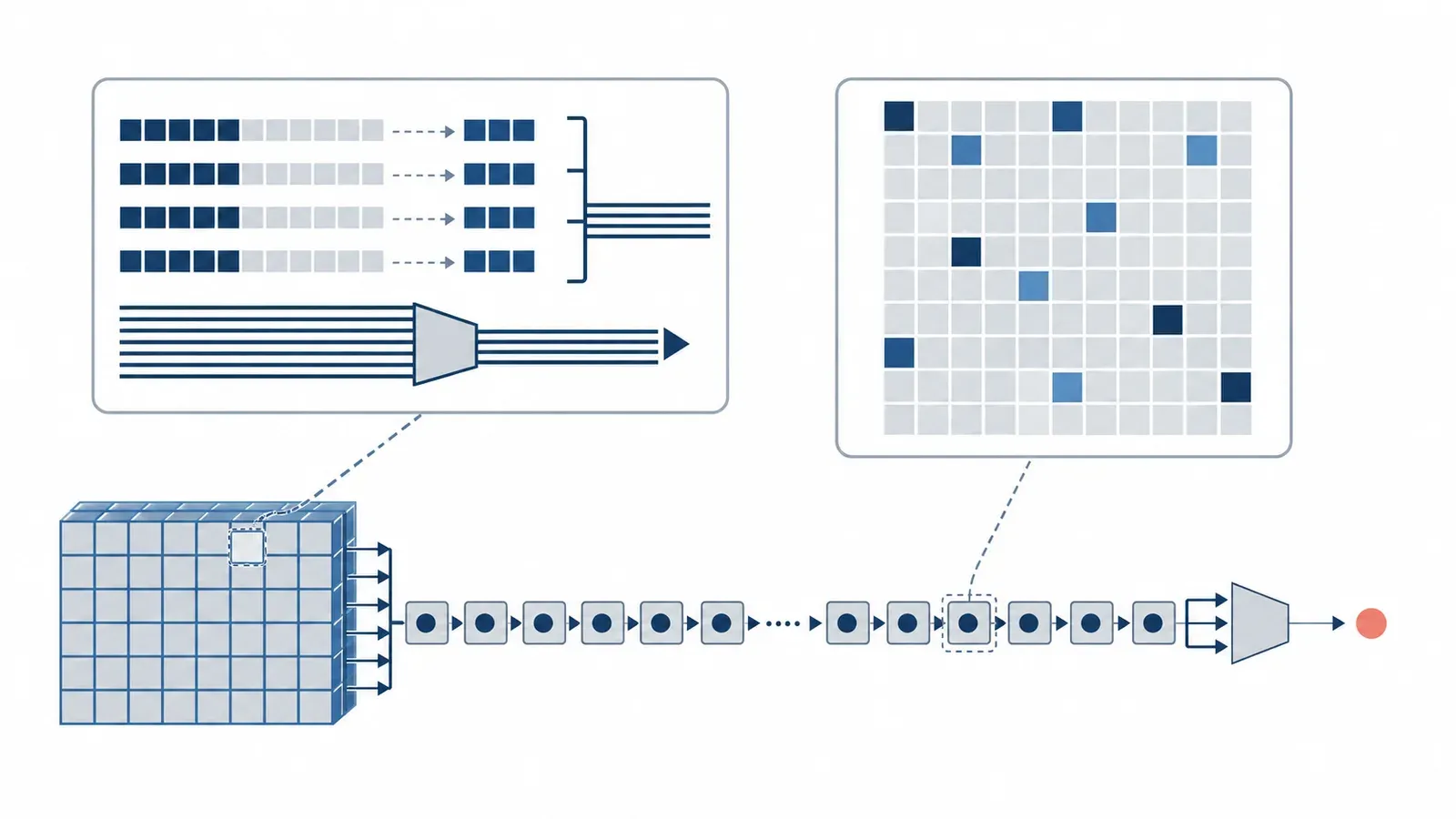
Circuit: In-Memory AI Accelerators
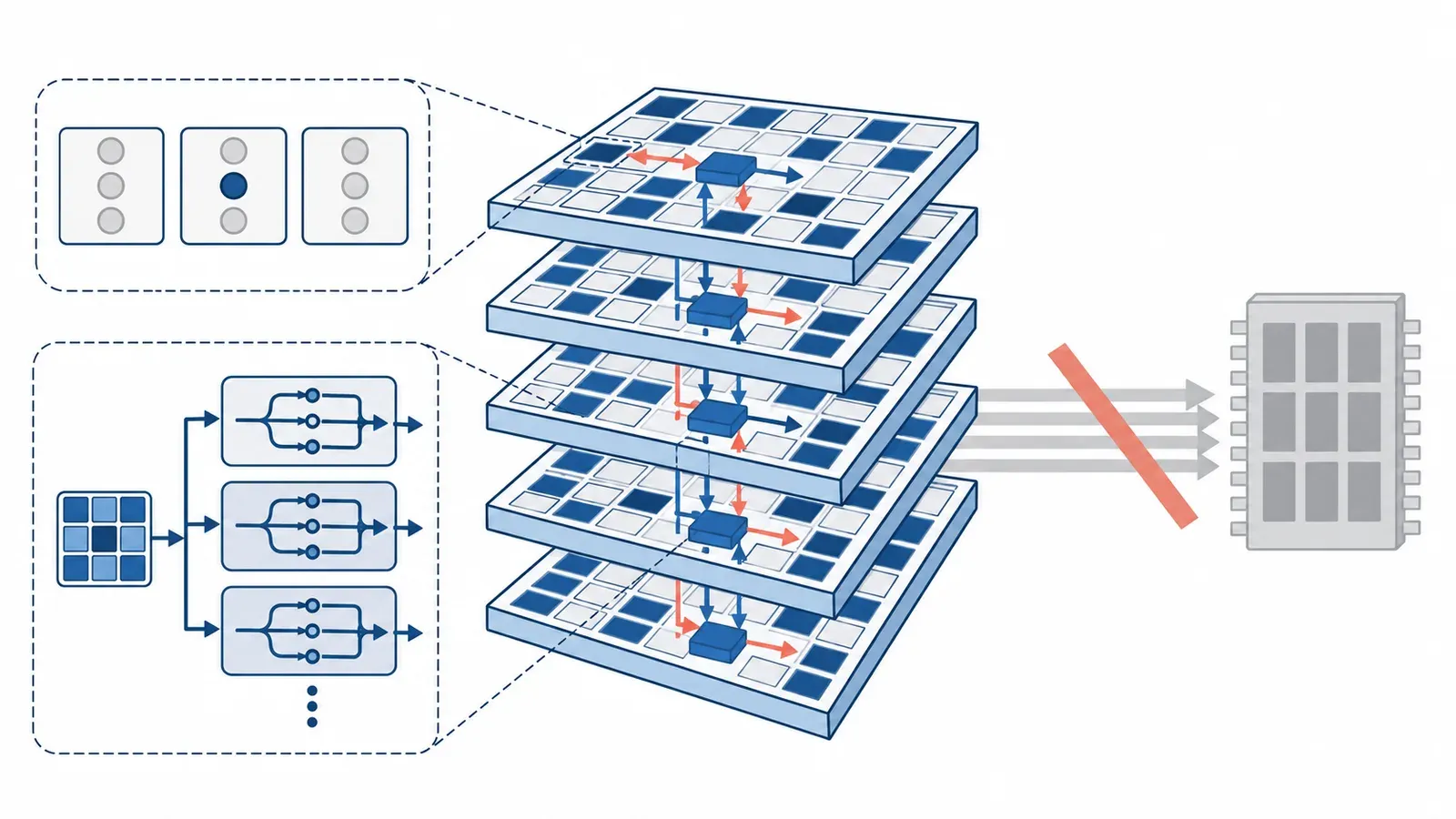
We perform AI computation directly inside memory to build far more power-efficient AI circuits than conventional designs, exploring analog and probabilistic computation beyond digital arithmetic. Alongside real circuit design, we build PyTorch-based training and frameworks for circuit-friendly AI.
- Sponsors
- JST CREST / KAKENHI / RIKEN / JST Next-Generation AI and others
- Collaborators
- Univ. of Tokyo, Kyoto Univ., Shizuoka Univ., Fujiki Lab (Keio CS) and others
- Recent output
- CVPR'26 (Findings)ASP-DAC'26SSDM'26ISCAS'26ICCV'25ESSERC'25ISSCC'24
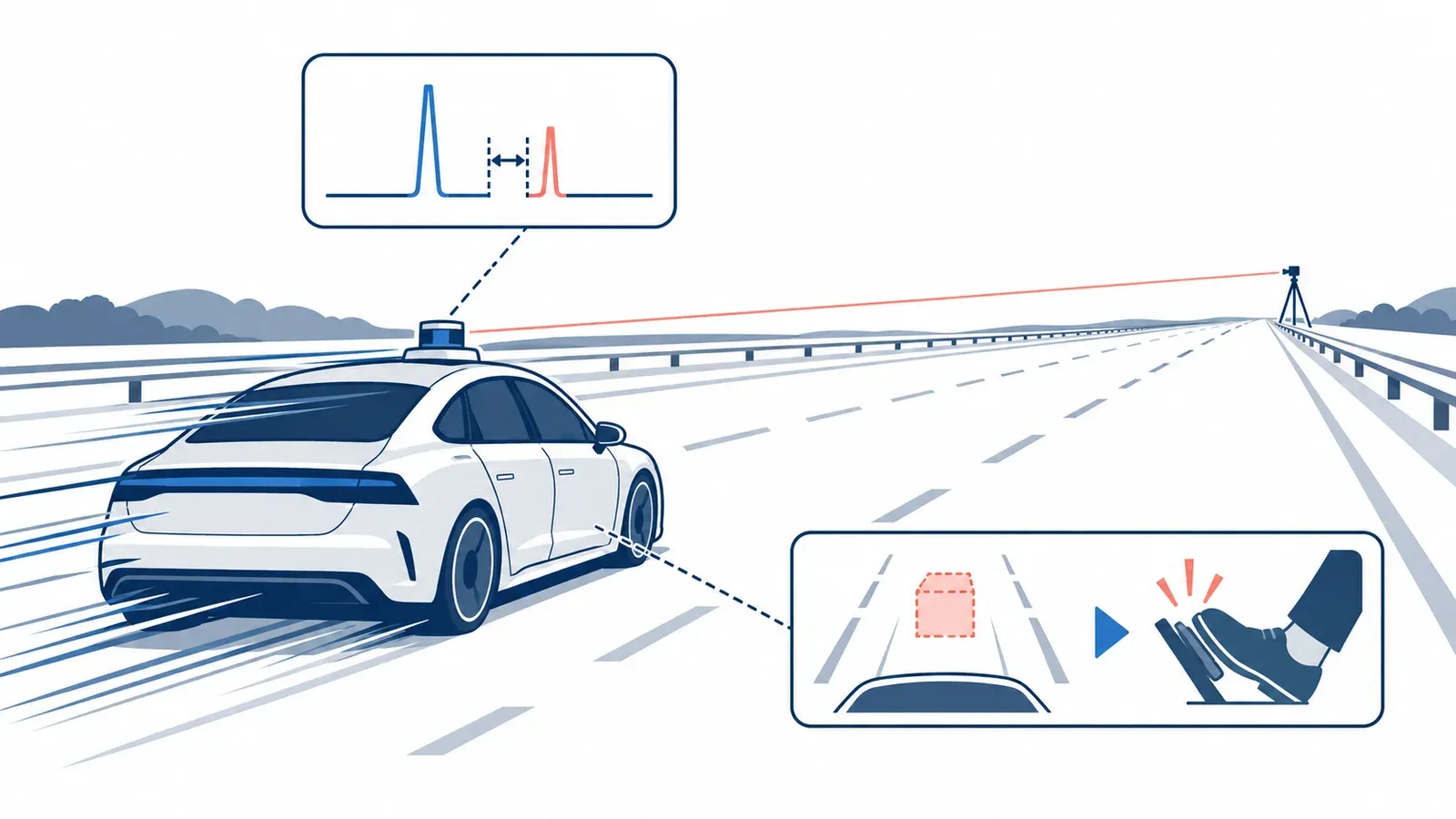
Sensor: Autonomous Driving Security
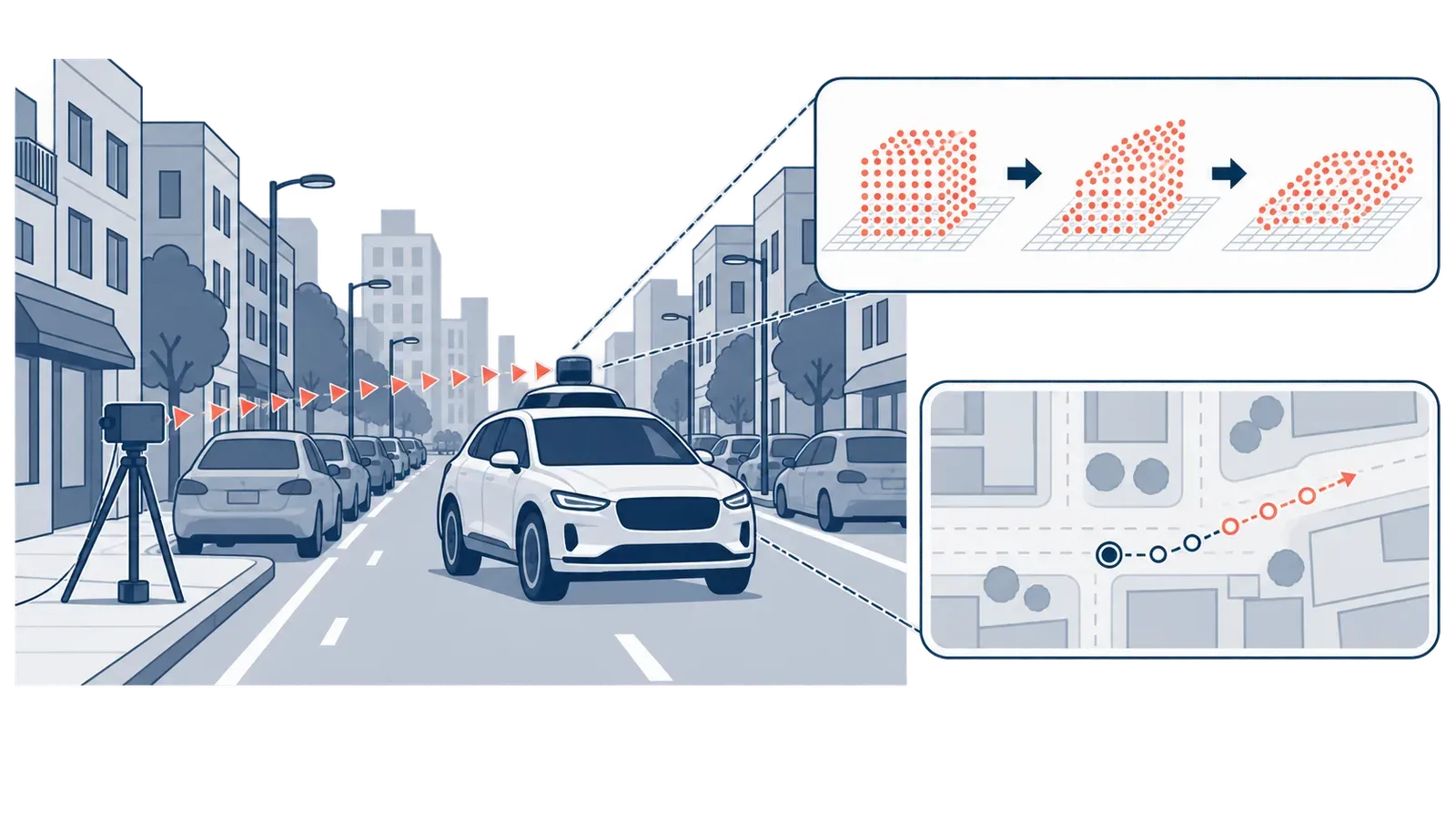
LiDAR sensors are essential to autonomous driving, yet their security is rarely studied. We uncover LiDAR vulnerabilities and threats to autonomous vehicles and propose defenses — one of the few labs worldwide that builds attack rigs, designs real LiDARs, and drives actual test vehicles.
- Sponsors
- JST CREST / JST PRESTO / KAKENHI and others
- Collaborators
- University of California, Irvine / University of Florida / Waseda University / UEC / Sony
- Recent output
- ACM CCS'26NeurIPS'26IROS'26VehicleSec'26RA-L'25ICRA'25NDSS'25NDSS'24
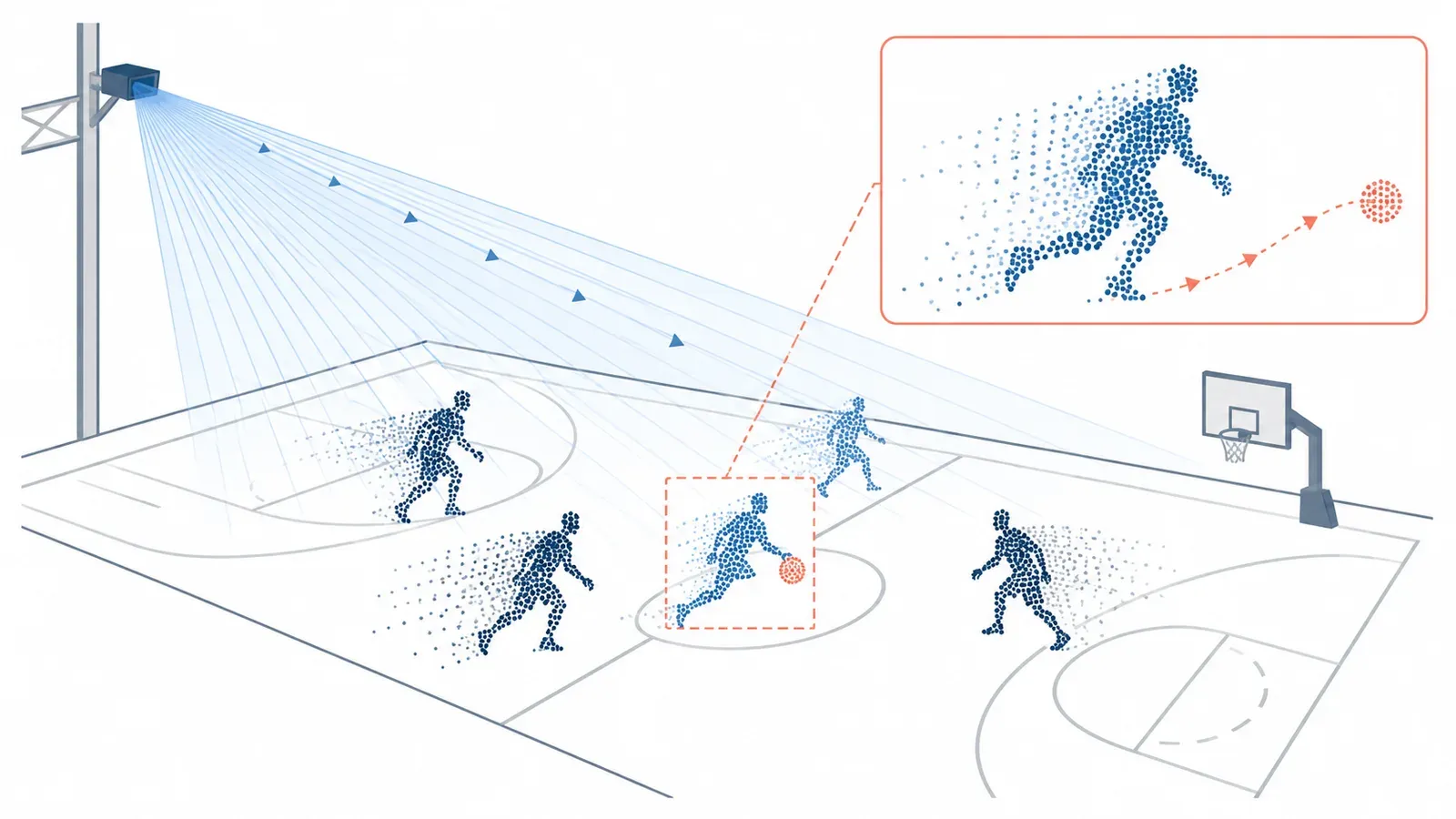
Sensor: LiDAR Sensing
As LiDAR sensors become more capable and affordable, new applications open up in healthcare and sports. We realize these new sensing applications through collaborative research.
- Sponsors
- KAKENHI / JST CRONOS
- Collaborators
- Okayama University Hospital / Aisin / Aoki Lab (Keio EEE) / Isogawa Lab (Keio CS)
- Recent output
- CVPR'26NeurIPS'26
Projects
What students are working on
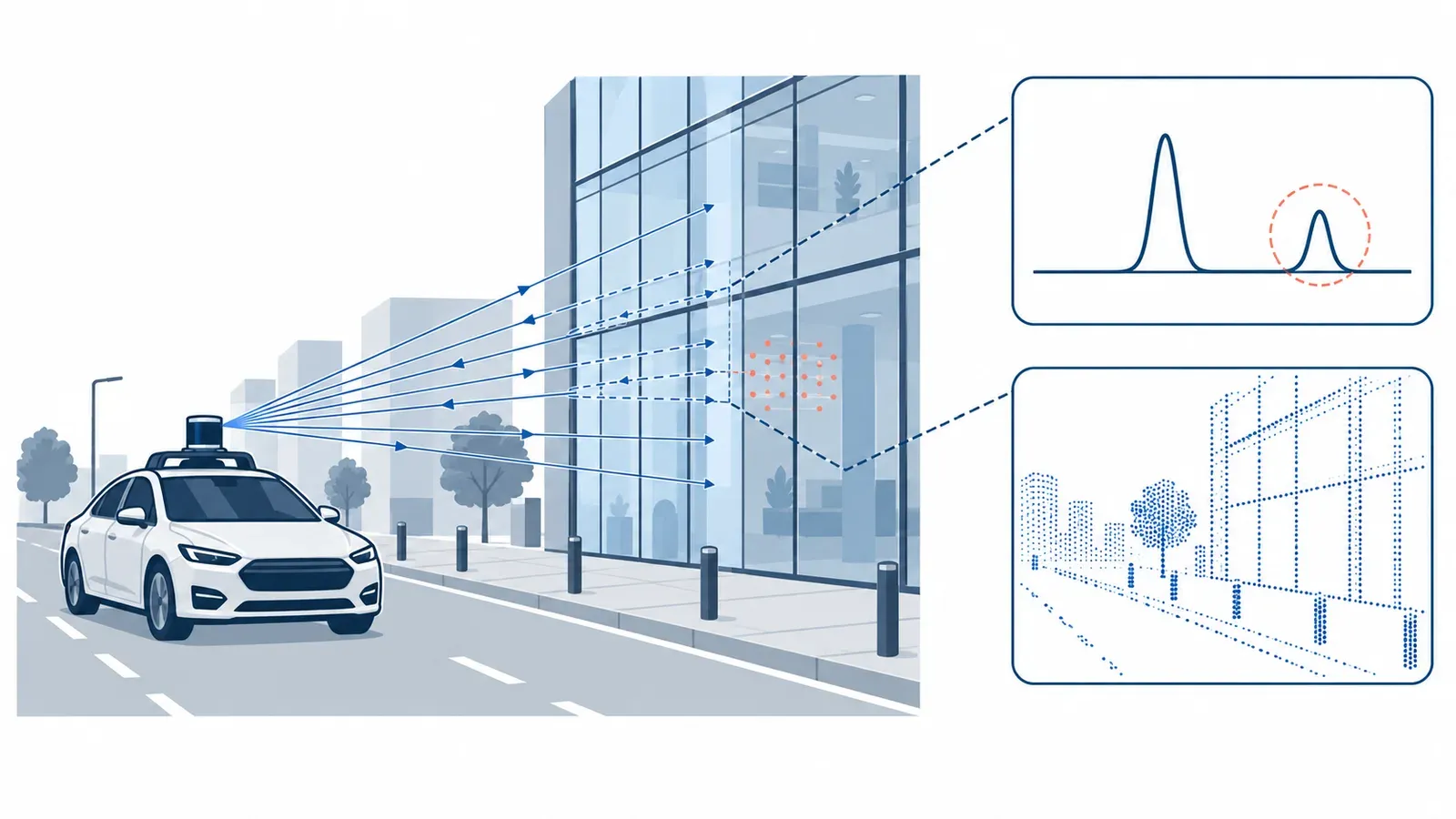
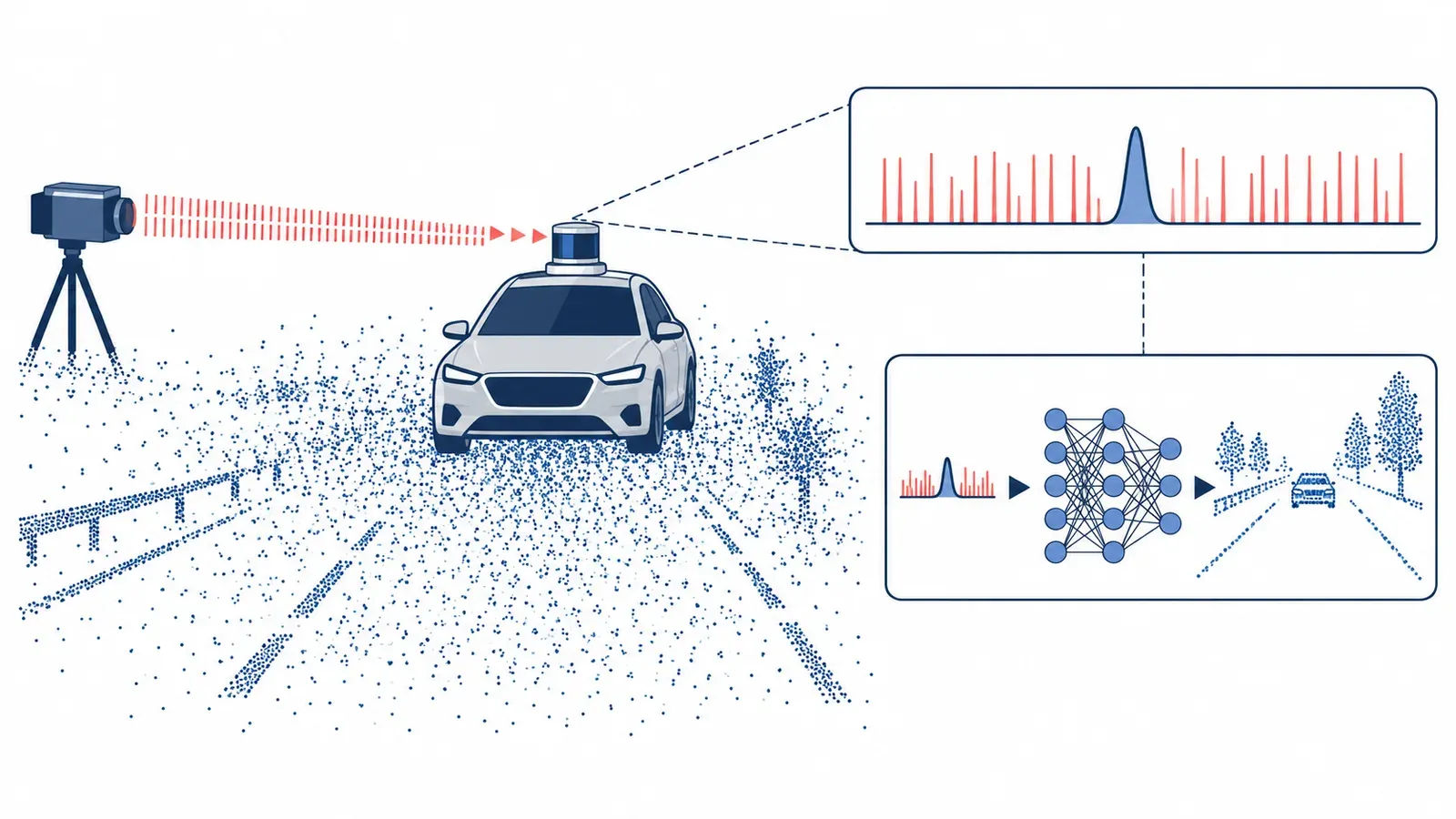
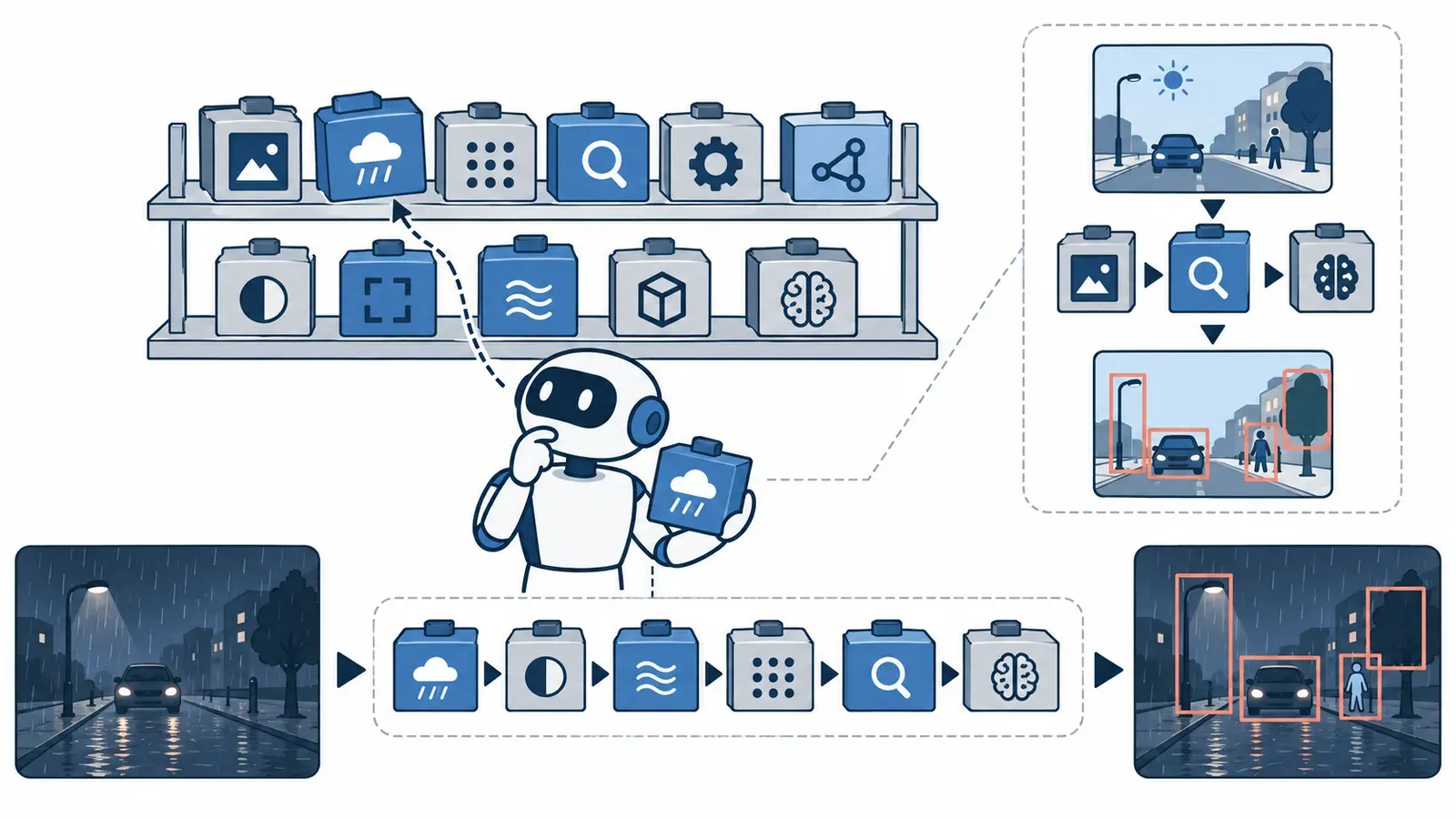
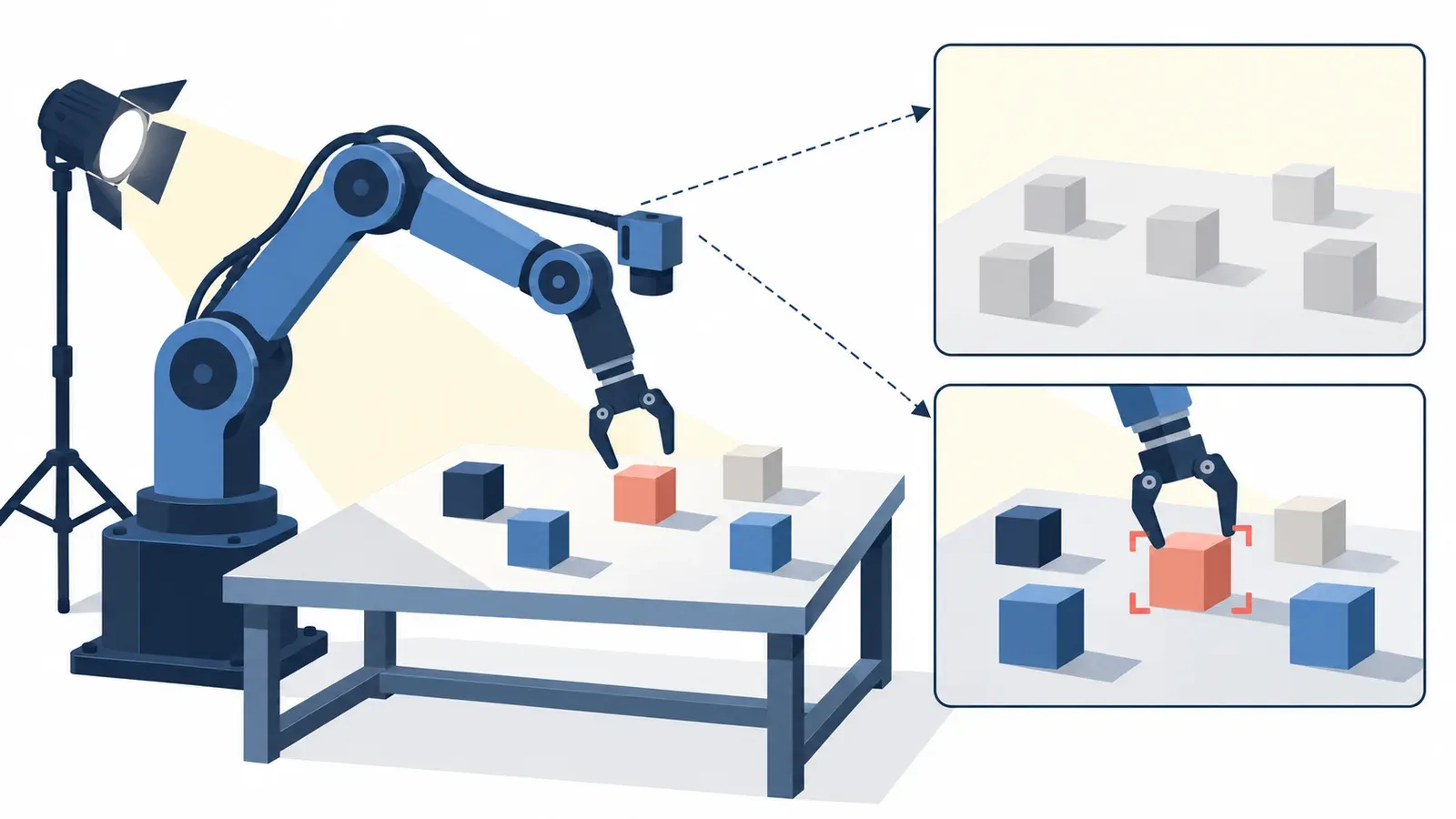
This is the kind of work you would join. The six most recent projects.
Lab culture
From Keio to the world
Our motto is "from Keio to the world" — we aim to publish at international conferences, competing with the likes of MIT, Stanford, Intel, and Google. There's no core-hours requirement, but weekly group meetings are mandatory (online participation is fine). From B4 onward, coursework drops off sharply, so self-directed research is expected.
Career outcomes
- Princeton University (Ph.D.)
- Sony
- Sony Semiconductor Solutions
- Nissan Motors
- AWS
- Sansan
- Daihen
What you can use
- Chip tape-out (65nm / 28nm / 12nm FinFET)
- Test autonomous vehicle
- LiDAR attack and evaluation rigs
- A wide range of commercial LiDAR sensors
- High-speed measurement setup for ADC/CIM
- GPU servers
Awards
Awards won by students
There is real opportunity to be recognized as a first author — undergraduates and master's students win awards at international venues.
- 2026Ryo YoshidaMIRU Outstanding Student Award
- 2026Ozora SakoVehicleSec Best Demo Award
- 2026Wenlun ZhangASP-DAC Excellent Student Author Award
- 2026Kazuma IkedaJSAE Award
- 2026Ryu SugawaraFaculty Award and Thesis Award
- 2026Marino WatanabeIEEJ Encouragement Award
- 2025Wenlun ZhangPAKDD Best Paper Award
- 2025Xinyu LiIEEE ICCE-Asia Best Poster Award
- 2023Kaoru YamashitaIEEE CICC Outstanding Student Paper Award
Start with a visit.
If you're a B3 student considering lab assignment, or a prospective graduate student interested in joining CSG, please email Ken (kyoshioka47@keio.jp). A short message like "I'm interested in the lab, could I visit?" is enough. We'll walk you through our research and let you chat informally with current members. Reach out to faculty early and talk to several labs before deciding.
kyoshioka47@keio.jp